
Introduction
Cataract surgery is one of the most successful operations worldwide, restoring clear vision to millions every year.
Yet, many patients report that a few weeks after surgery, once steroid/antibiotic drops are discontinued, they suddenly experience:
- constant tearing,
- itching,
- redness,
- allergic-like symptoms.
The first reaction is fear and disappointment: “Did something go wrong?”
The Cause
No — the surgery isn’t to blame, nor the ophthalmologist.
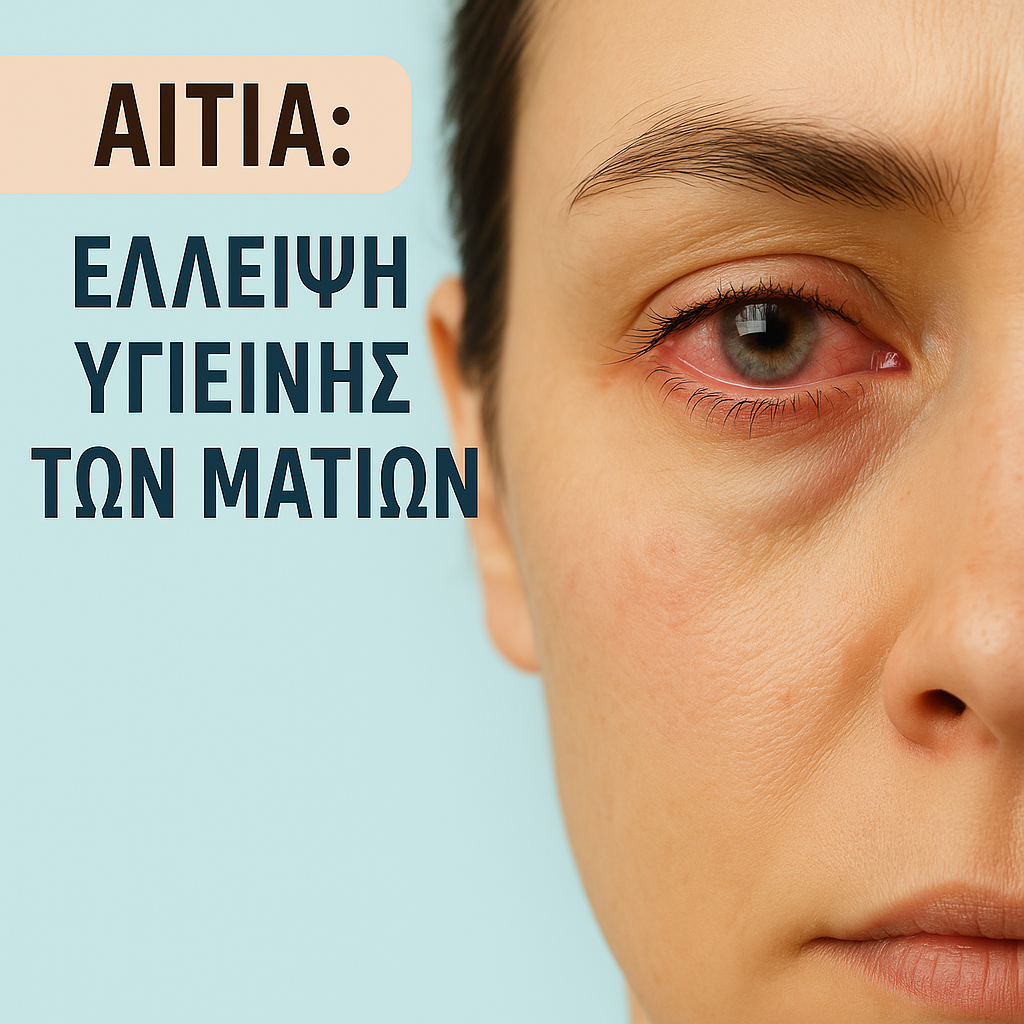
The real cause is decades of neglected eyelid and ocular hygiene.
- Symptoms often existed before but were mild and ignored.
- Steroid/antibiotic drops masked them temporarily.
- Once stopped, blepharitis, dry eye, and Demodex became obvious.
Scientific data:
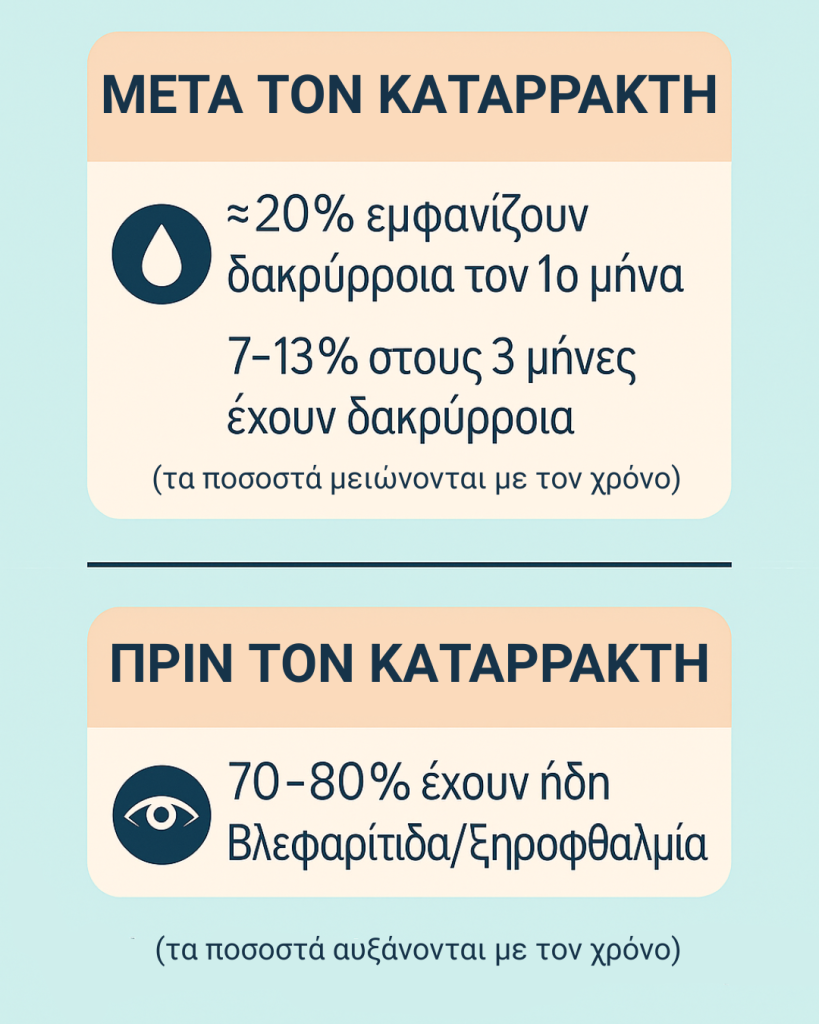
- 70–80% of cataract candidates already have dry eye or blepharitis (Dovepress, PubMed, ScienceDirect).
- 50% show meibomian gland dysfunction (MGD) before surgery.
- 20–30% report post-op discomfort due to pre-existing conditions.
The Dental Analogy
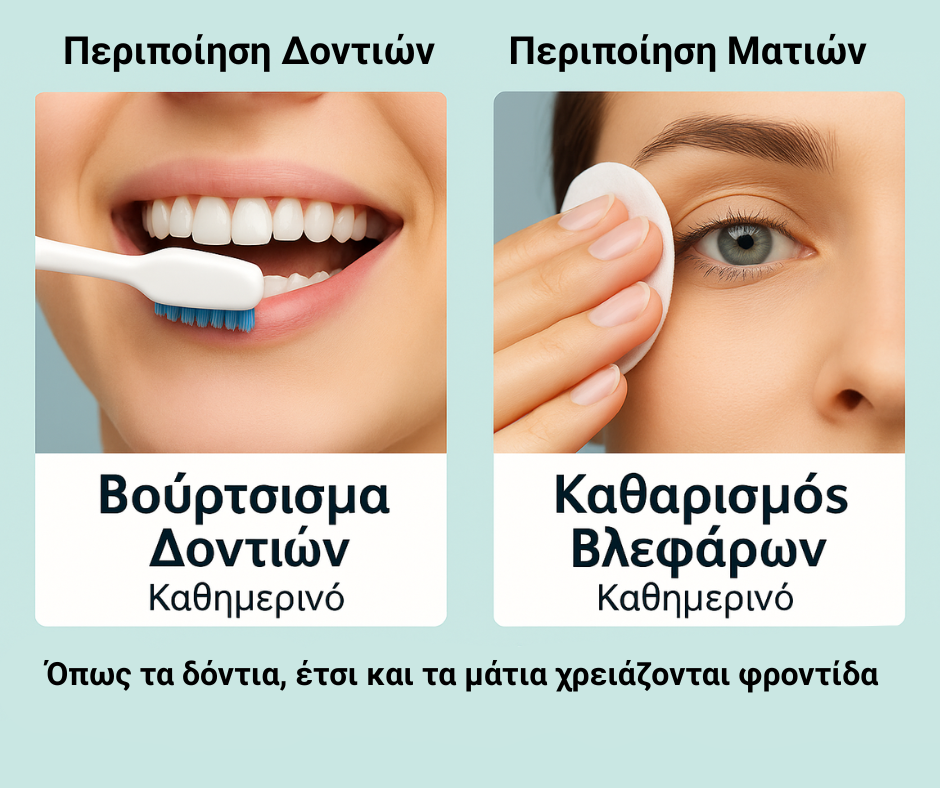
Imagine not brushing your teeth for 30 years and expecting a dentist to fix everything in a single visit. Impossible, right?
The same applies to the eyes:
- The surgeon restores clear vision.
- The patient must maintain eye health daily to fully enjoy the gift.

The Dermophthalmology Solution
Care does not end with the surgery.
It continues with a comprehensive, modern approach based on Dermo-Ophthalmology — the science that connects the skin, eyelids, glands, tear film, and ocular surface as a single, functional system.
Learn more: Dermophthalmology – Official Page
See how eyelid hygiene affects vision (new article):
Recommended Dermo-Ophthalmological Protocol After Cataract
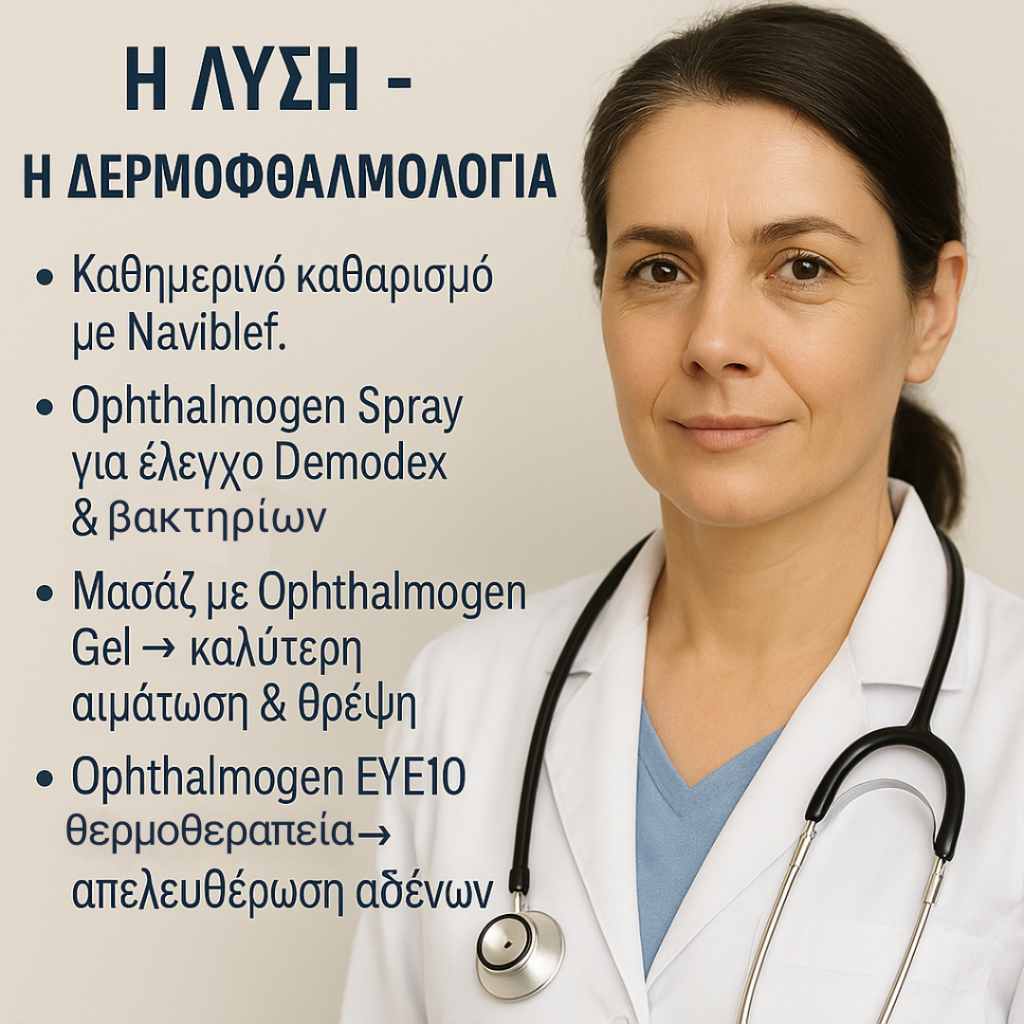
1) Thermotherapy → Ophthalmogen EYE10
To release the Meibomian glands, improve the quality of the lipid layer and stabilize the tear film.
2) Eyelid massage → Ophthalmogen Gel
For better blood circulation, nutrition, gland decongestion and strengthening the health of the eyelids/eyelashes.
3) Morning hygiene → Naviblef + lukewarm water
Removal of allergens, lipids, makeup debris and microbes — essential for a clear look and comfort.
4) Protection during the day → Ophthalmogen Spray
For Demodex & bacteria control, eyelash strengthening and immediate relief when outdoors or in front of screens.
5) Artificial tears (drops or spray)
For hydration, corneal protection and better visual performance after surgery.
Case Studies
Case 1 – Maria, 68
After cataract surgery, she experienced constant tearing. She feared surgical failure. Diagnosis: chronic blepharitis. With hygiene and Ophthalmogen Spray/Gel, her eyes improved.
Case 2 – Nikos, 74
Clear vision but burning/itching. Thought it was drop allergy. It was dry eye. With EYE10 + Gel massage, vision became not just clear but comfortable.
Case 3 – Helen, 80
Ignored watery/red eyes before surgery. After cataract, symptoms worsened. With daily care, she improved significantly, avoiding further complications.
FAQ
- Why are my eyes watering after cataract surgery?
Not because of the surgery, but due to pre-existing blepharitis/dry eye that now surfaces.
- Does it mean something went wrong?
No. Cataract surgery is among the safest worldwide. The surgeon is your ally.
- What can I do?
Daily hygiene: cleansing, spray, massage, thermotherapy, artificial tears.
- Why the comparison with teeth?
Just like brushing teeth daily, eyes need daily care. Surgery is the start, not the end.
- Should I inform my ophthalmologist?
Always. Your doctor guides you — hygiene complements medical care.
Conclusion
Cataract surgery is the gift of clear vision.
Daily hygiene is the gift of comfort and quality of life.
The ophthalmologist is your ally.
You are responsible for loving and caring for your eyes.
Dermophthalmology is the new medical specialty we have introduced (learn more at www.dermophthalmology.com)