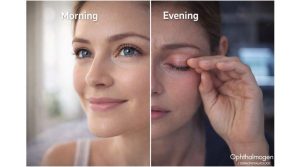

Causes, when to worry, and what truly affects visual quality
“Eye floaters” — commonly referred to as floaters — are one of the most frequent causes of concern related to vision. People of all ages describe small spots, lines, or shadow-like shapes moving across their visual field, often accompanied by blurred vision, discomfort, or increased light sensitivity. The question that always comes up is the same: “Is this dangerous? And why do I notice them more on certain days?” The answer is not one-dimensional. Floaters are not a single condition, but a symptom influenced by multiple factors, including:
• Intraocular factors (e.g., the vitreous body)
• Surface-related factors (tear film / eyelids)
• General factors (sleep, stress, dehydration, screen use, medications)
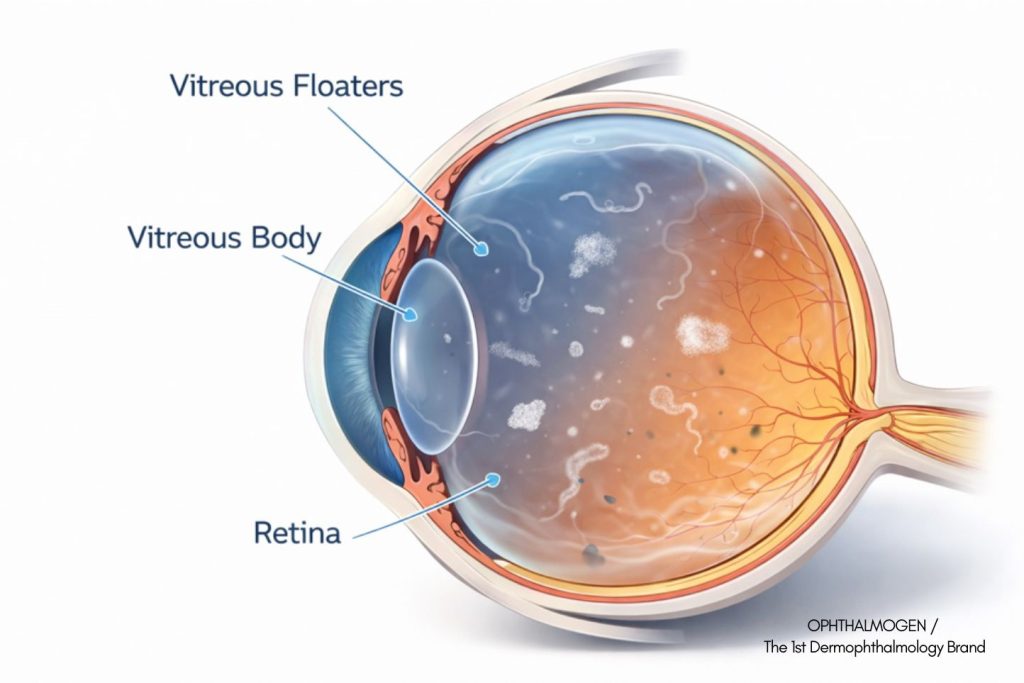
What are eye floaters?
Floaters originate from the vitreous body, the transparent, gel-like substance filling the inside of the eye. With age or under certain conditions, the vitreous undergoes natural changes, forming microscopic opacities that cast shadows onto the retina.
Typical characteristics:
• They move when the eye moves
• They are more noticeable against bright or white backgrounds
• They usually do not affect visual acuity
In most cases, they are benign.

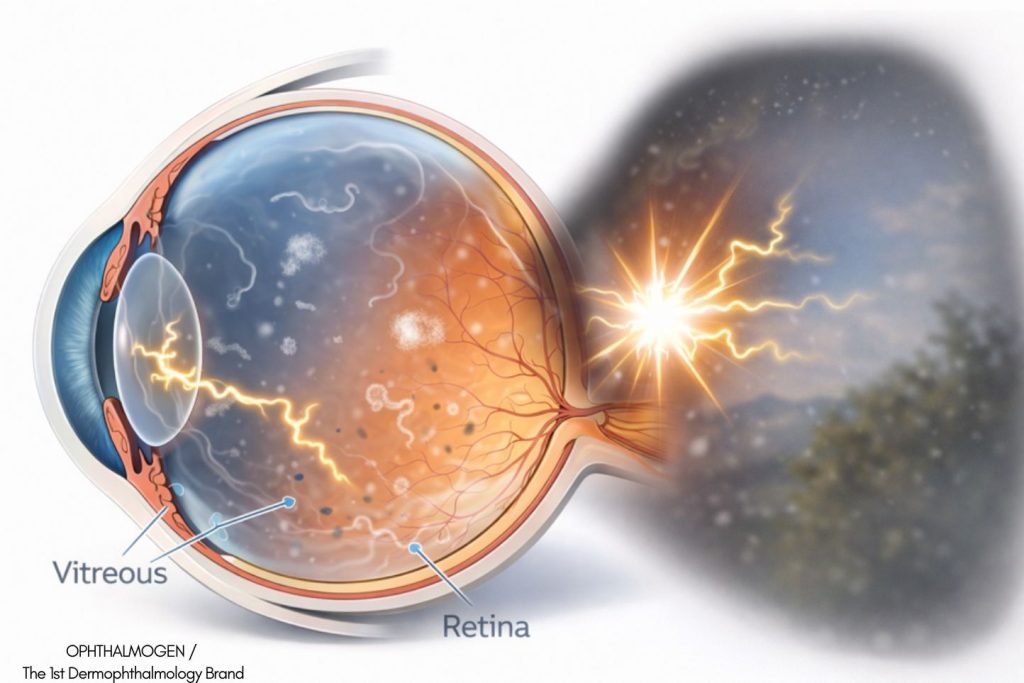
When floaters are normal — and when they require examination
Usually considered normal when:
• They appear gradually
• They are not accompanied by vision loss
• They fade over time or are filtered out by the brain
Require immediate ophthalmic evaluation when:
• They appear suddenly and in large numbers
• They are accompanied by flashes of light
• There is a sensation of a “curtain” or shadow in the visual field
• There is sudden blurring or loss of vision
Why floaters feel more noticeable on some days
This is where most people are surprised. In many cases, people do not develop more floaters — they simply perceive them more intensely. This happens when overall visual quality becomes unstable or when the brain focuses more on visual “noise.”
Here, a crucial — and often underestimated — factor comes into play: the ocular surface and the eyelids.
The Role of the Ocular Surface and Eyelids
Visual quality is not determined solely by the retina. Every image first passes through:
• the tear film
• the cornea
• the functional state of the eyelids
When the ocular surface is unstable:
• vision becomes fluctuating
• visual discomfort increases
• the brain pays more attention to every shadow or movement
As a result, floaters appear more prominent, even though they have not actually increased.
How poor eyelid hygiene worsens visual discomfort
When proper eyelid hygiene is lacking:
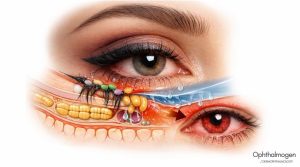
• secretions and lipids accumulate along the eyelid margins
• meibomian gland function is disrupted
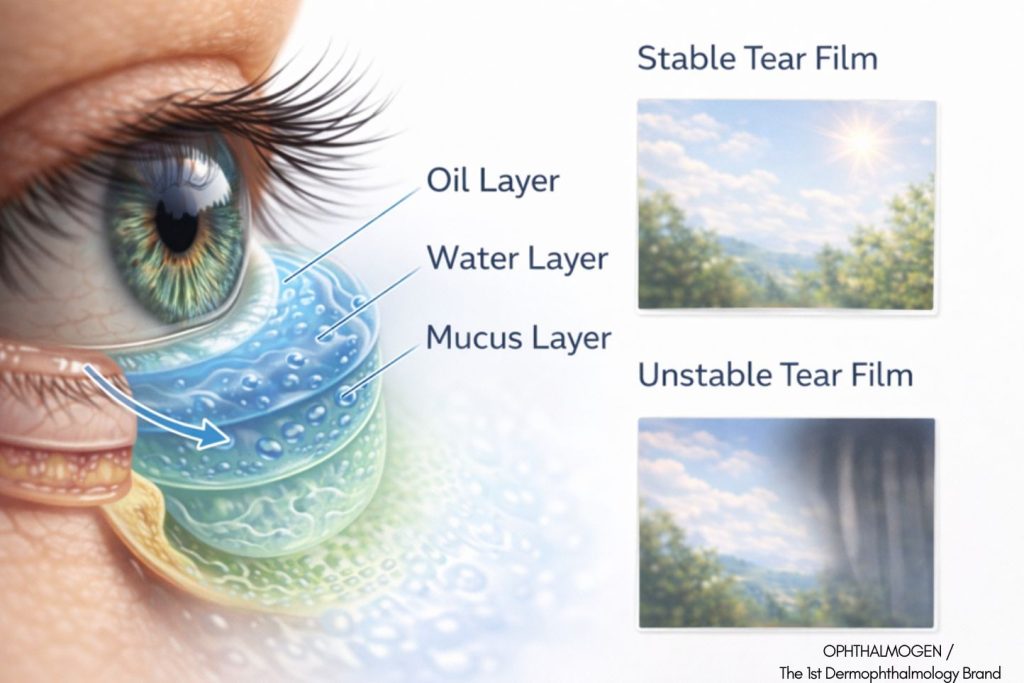
• the tear film becomes unstable
• blurred or “dirty” vision may appear (especially in the morning or after screen use)
This leads to:
• increased eye fatigue
• heightened awareness of floaters
• greater daily visual discomfort
Floaters do not originate from the eyelids. However, poor eyelid hygiene can make them much more bothersome.
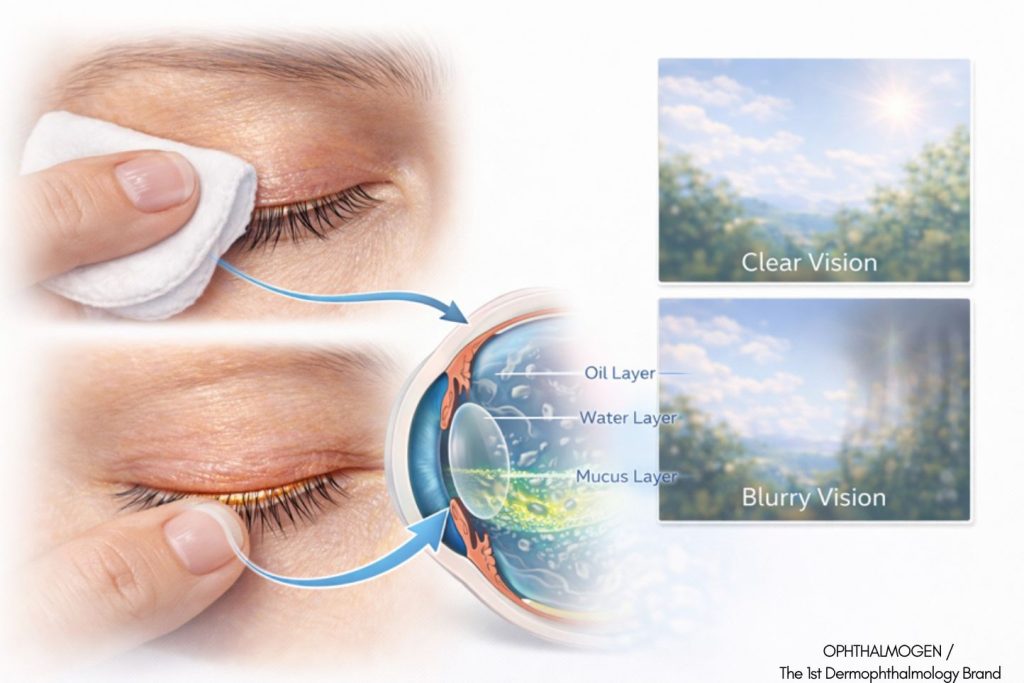
Why eyelid hygiene helps people who see floaters
Proper eyelid hygiene:
• stabilizes the tear film
• clears the optical surface
• reduces blur and “visual noise”
• improves overall visual quality
When the image becomes clearer and more stable, the brain stops fixating on floaters. Many people describe it this way: “I notice them less, even though I know they’re still there.”
A practical daily care routine
Goal: stable vision and visual comfort
Not: “treating floaters”
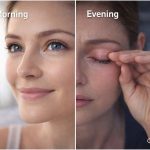
1) Evening preparation (controlled warmth)
The quality of vision the next day starts the night before.
• Gentle warmth helps liquefy meibum
• Supports proper meibomian gland function
The use of a self-heating mask such as Ophthalmogen EYE10 self heating masks may be included as part of an evening routine to support the ocular surface — not as a treatment for floaters.
2) Morning eyelid hygiene & massage In the morning:
• overnight residues are removed
• normal eyelid function is reactivated
• visual stability improves from the first hours of the day
Ophthalmogen Gel may be integrated into the routine:
• for gentle, non-irritating eyelid hygiene
• for practical eyelid massage
• to support clearer and more stable daily vision
3) Artificial tears (always in the correct order)
After eyelid hygiene, artificial tears can enhance hydration and image stability.
Examples (depending on individual needs): Navitae Plus, Visionlux Plus, THEALOZ Duo, Systane.
Key point: Without clean eyelids, artificial tears often provide only temporary relief. With proper eyelid hygiene and a stable tear film, they work more effectively.

Floaters, the body, and lifestyle
The perception of floaters may also be influenced by:
• stress and hyper-focus
• lack of sleep
• dehydration
• prolonged screen exposure / digital eye strain
• certain medications
• metabolic conditions (e.g., diabetes)
That is why the approach must be holistic, not fragmented.
In Summary
However, how intensely they are perceived does not depend solely on the vitreous.The condition of the ocular surface, eyelid hygiene, and daily care routines play a crucial role in how disruptive these symptoms feel. Proper care does not “eliminate” floaters — but it can significantly improve visual quality and quality of life.
Disclaimer This article is for informational purposes only and does not replace a professional medical examination.