

DERMOPHTHALMOLOGY THE FIELD OF OPHTHALMOLOGY THAT IS BRINGING A REVOLUTION IN THE QUALITY OF VISION AND THE APPEARANCE OF THE EYES
Dermophthalmology is the field of ophthalmology that studies the effects of skin health on both the health-appearance of the eyes and the quality of vision, on which the advanced Ophthalmogen product line is based. for eyelids and eyelashes. Ophthalmogen is the first product line internationally that utilizes the valuable scientific knowledge of dermophthalmology, with the aim of treating chronic diseases that concern humanity and improving the quality of life.
THE MULTIDIMENSIONAL STRUCTURE OF THE EYE
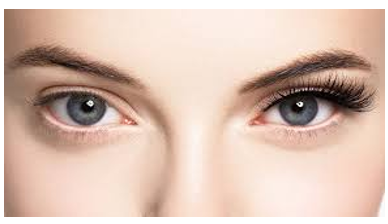
The eyes consist of the eyelids (ophthalmoderm), the eyelashes (aerodynamically curved hairs of the eyelids of the eye), the eyebrows (peri-ocular protective hairs), the ocular surface and the eyes. The smooth functioning and cooperation of all parts of the eye, both externally and internally, is what leads to high-definition vision and beautifully rested eyes.
EYES = EYELIDS + EYELIDS + EYEBROWS + EYES
Since the beginning of time, since the time of Hippocrates, Pythagoras, Plato and Aristotle, there seems to be a relationship of unity in many things that may seem unconnected to us. And yet they may be connected, and not only that, but the state of one may positively or negatively affect the other without us being able to clearly perceive it.

However, this ignorance can significantly affect our quality of life and, in this specific case, the quality of vision and the quality of our life.
Specifically, ignorance of the effects of skin pathogenesis and more specifically of the hygiene of the area known as the eyelid or oculodermal, is likely one of the main causes of the outbreak of eye diseases (eyelids, eyelashes, ocular surface, tear film) at pandemic levels.
- Up to 50% of the population may suffer from dry eye symptoms based on clinical studies
- Εκτός από λοιμώδη αιτία από Demodex & βακτήρια, η πρόσθια βλεφαρίτιδα μπορεί να έχει και δερματολογική προέλευση
THE IMPACT OF SKIN HEALTH ON THE EYES
EYELID = The Ocular Derma of the Eye
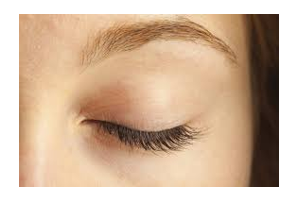
The eyelid, that is, the skin of the eyes (ophthalmoderm), is the boundary between dermatology and ophthalmology with influences on ocular homeostasis.
The eyelids are complex structures made up of muscles and nerves all covered by a thin layer of skin called the epidermis.
- 84.2% of patients with blepharitis have been detected with at least one facial dermatosis
The skin on the eyelids is thinner than the rest of the body, making it more prone to irritation. Inflammation in this area is known as blepharitis, blepharodermatitis, or eczema.
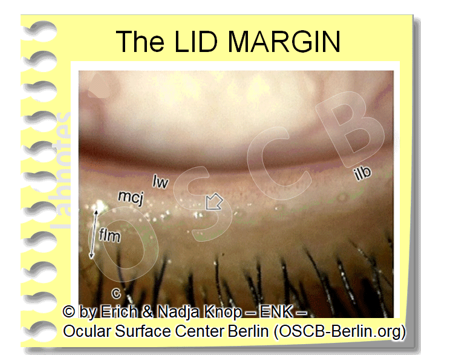
The eyelids, which normally serve as eye shields, can act as a bridge through which infection and other harmful agents travel from the facial skin to the eyes.
- Until 45% of the population may suffer from blepharitis
Therefore, topical treatment of facial skin must sometimes be modified in order to avoid ocular damage – and vice versa.
- 46% of patients with blepharitis suffer from seborrheic dermatitis
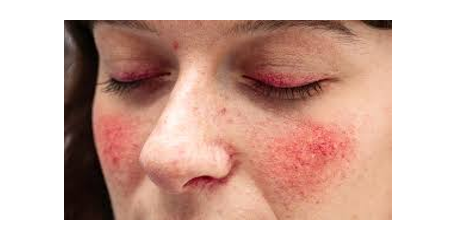
Seborrheic dermatitis is directly linked to blepharitis and dry eyes.
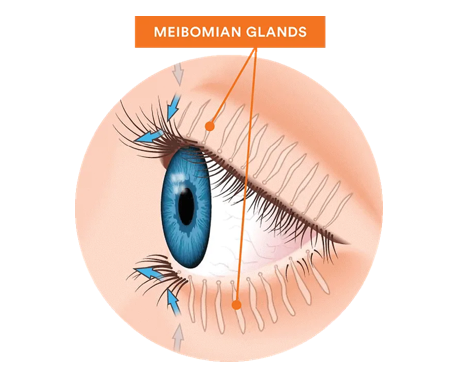
- 87% dry eye is caused by blocked, dysfunctional meibomian glands of the eyelids, i.e. blepharitis
Seborrheic dermatitis is usually accompanied by seborrheic blepharitis, which requires simultaneous treatment of the underlying dermato-ophthalmological condition.
- 95% of patients with seborrheic dermatitis have seborrheic blepharitis.
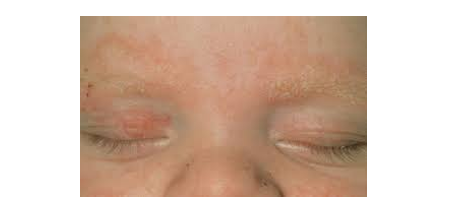
Seborrheic dermatitis usually affects oily areas of the body, such as the face, sides of the nose, eyelids, ears, and chest.
Skin conditions such as seborrheic dermatitis, rosacea, and atopic dermatitis (eczema) affect the face, including the eyelids, leading to inflammation and blepharitis/dry eyes.
- 7% of adults in the US suffer from atopic dermatitis
Blepharitis is very common, especially in people who have oily skin, dandruff, or rosacea. While atopic blepharitis is one of the main ocular complications of atopic dermatitis.
- 20% of children may be affected by atopic dermatitis
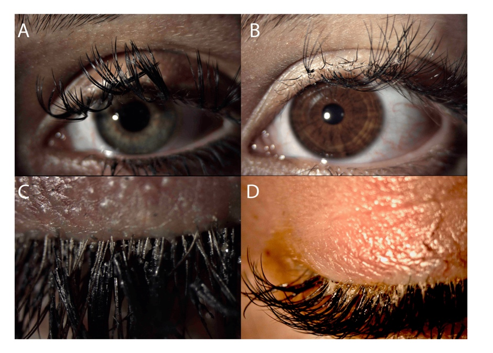
DISEASES OF THE OCULAR SURFACE OF THE EYE BEGINS FROM THE EYELIDS, THE EYELIDS AND THEIR LACK OF HYGIENE
As the eyelid skin is more sensitive than any other part of the skin, it is usually the first to be affected by harmful physical and chemical influences and can also flare up as a consequence of dermatitis that begins elsewhere.
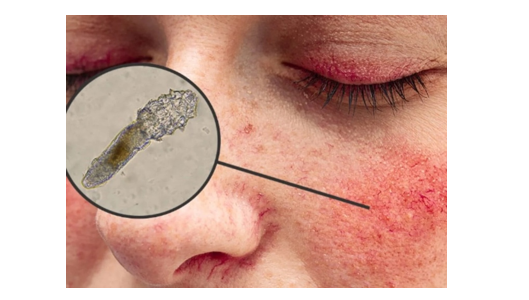
86% of people over 60 suffer from the Demodex parasite, one of the main causes of blepharitis, according to clinical studies
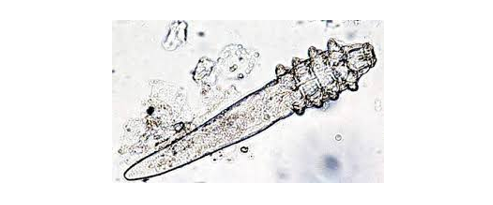
- 100% over 70 suffer from the Demodex parasite, one of the main causes of blepharitis based on clinical studies
This means that those who frequently suffer from eye allergies may not be from the environment... but from the migration of inflammatory factors such as bacteria and Demodex parasites from the skin of the face to the skin of the eyes (Eye-skin).
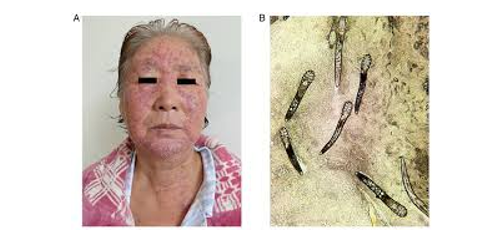
This scientific awareness makes both eyelid hygiene and thorough cleansing and care of facial skin of utmost importance to all sufferers of eyelid, eyelash, ocular surface diseases and allergic conditions such as allergic conjunctivitis.
ROSEHOOD-PSORIASIS-BLEPHARITIS: Their impact on the eyes
Ocular rosacea is a chronic inflammatory condition that affects the eyes, oculodermal skin, and peri-ocular skin as part of a broader cutaneous rosacea.
- 5% of the world's population may suffer from rosacea
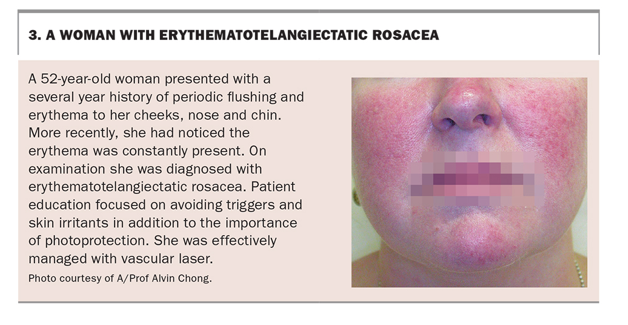
Cutaneous rosacea is common, affecting approximately 5.5% of the global population, where up to 72% of patients will develop ocular involvement either before or after the skin disease.
- Up to 72% of rosacea patients will experience ocular allergic symptoms
Clinical features of ocular rosacea include Meibomian Gland Dysfunction, blepharitis, and conjunctivitis.
One of the most common triggers of ocular rosacea, blepharitis, dry eyes, Meibomian Gland Dysfunction, and Chalazia are Demodex mites.
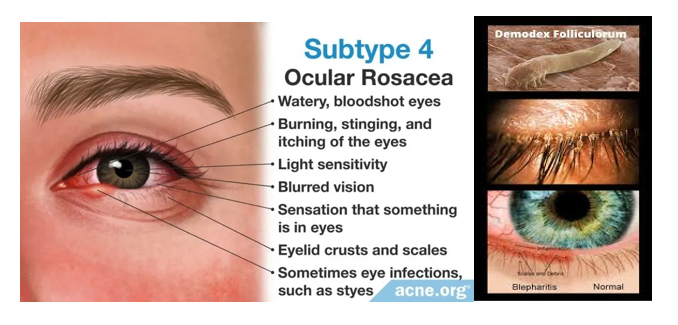
Researchers who have studied populations of patients with clinical signs and symptoms of blepharitis find high rates of Demodex infestation with a prevalence ranging up to 90%. έως και 90%.
- Up to 42% of patients with all types of blepharitis have rosacea
As the eyelid skin is more sensitive than any other part of the skin, it is usually the first to be affected by harmful physical and chemical influences and can also break out as a consequence of dermatitis that begins elsewhere! The skin of the eyes (ophthalmoderm) like the eyelashes, is also vulnerable to numerous nutritional deficiencies, including vitamin deficiencies.
- 67-67.4% of patients with psoriasis have ocular manifestations mainly in the anterior segment of the eye such as blepharitis, dry eyes, conjunctival hyperemia (red eyes)
Sometimes ocular rosacea is the first sign that you may later develop facial rosacea. It would be easy to multiply the cases of diseases that concern dermatologists and ophthalmologists together, but the reasons mentioned are enough to highlight the need for collaboration between the specialties.
DERMATOPHTHALMOLOGY A NEW CHAPTER IN EYE HEALTH & BEAUTY
Within the history of human medicine, it has been observed that the most significant leaps took place at the moment of the meeting of two different types of knowledge or, in this case, two different specialties.
Each medical specialty may have developed separately in a different way and time. However, from the moment the two medical specialties meet, they form a new river of medical therapeutic thought that leads the health and quality of life of humanity to new levels of progress, development and health.

THE EYES ARE AFFECTED BY SKIN HEALTH
The ocular surface and the eyes are not only determined by their internal structure and functions, but are also significantly influenced by their environment, which in this case is the eyelids, eyelashes, eyebrows and the facial skin that surrounds them.
The impact of skin disease with pathological keratinization processes on the eye and visual function is often underestimated by clinicians, which can have dramatic consequences for the patient, including vision loss due to changes in the eye surface, fundoscopic manifestations.
- It is essential to perform ophthalmological examinations in patients with facial skin diseases for their early diagnosis and vice versa.

THE COMMON ROOTS OF DERMATOLOGY & OPHTHALMOLOGY
From an embryological point of view, the skin and the eyes share a common origin from the ectoderm. It is scientifically known that the superficial ectoderm gives rise to the lens and the corneal epithelium of the eye.
- The lens of the eye, the eyelid, and the epithelium are formed from superficial ectoderm
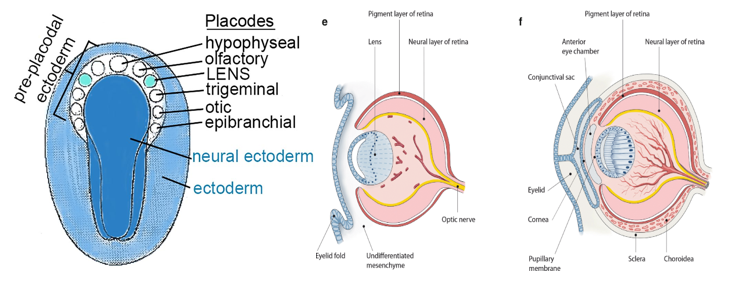
The mesoderm differentiates into the vascular endothelium of the eye and extraocular muscles. While the ectoderm that fails to contract will form the epidermis of the skin. Therefore, the ocular tissues are of mesodermal and ectodermal origin. At the same time, the retina, ciliary body, optic nerves and iris originate from the neuroepithelium.
- 30-45% of dyskeratosis cases may affect the eyelids with blepharitis, ectropion, entropion, trichiasis, alopecia areata, pterygium, nasolacrimal duct obstruction with epiphora, and conjunctivitis.
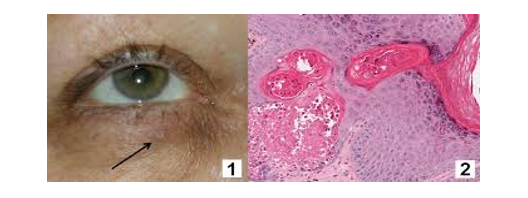
For this reason, it is assumed that the ocular manifestations are closely linked to the cutaneous manifestations through an immunological mechanism. The histology of the skin appears to be similar to the ocular histology (parakeratosis), particularly in cases where psoriatic lesions are observed at the level of the eyelids or conjunctiva. Bearing in mind that some of the differentiated elements in the eye originate from the embryonic ectoderm, we should naturally expect that some of the hereditary and environmental factors that help determine the skin condition should also affect the eye.
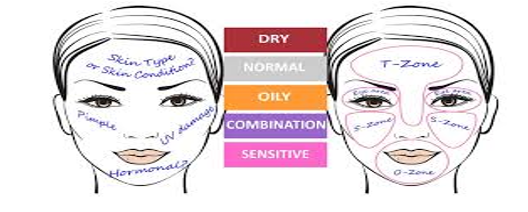
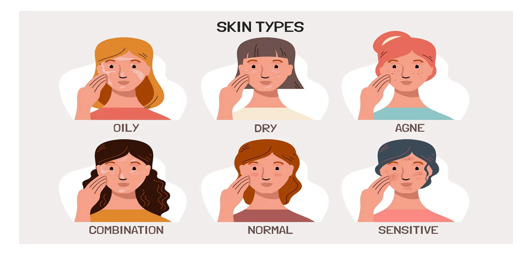
YOUR SKIN TYPE CAN AFFECT YOUR EYE COMFORT
- The health of facial skin is directly linked to eye health.
Your skin type may be a predictor of blepharitis & dry eyes:
- Dry or Combination skin (with seborrhea in the T-zone - forehead, nose and chin): more eye problems
- Oily skin: High Demodex parasite load colonization
- Dry skin: Significantly linked to dry eyes
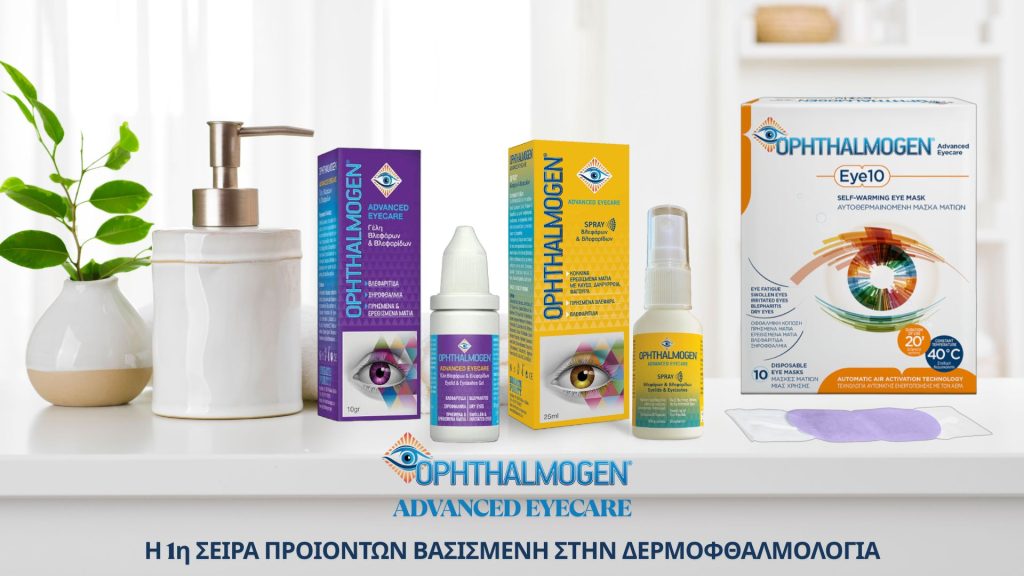
Patients with chronic skin conditions such as rosacea, seborrheic dermatitis and psoriasis are particularly prone to suffering from blepharitis and are in immediate need of both daily hygiene of the eyelids and facial skin with specialized products such as Ophthalmogen and Naviblef.
The EYELID HYGIENE TREATS DRY EYES
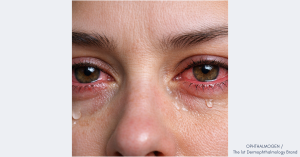
With a weak barrier function, the eyelid (eye skin) is less able to retain moisture and protect against Demodex, bacteria, irritants, allergens and environmental factors. Poor eyelid hygiene and excessive bacteria, Demodex parasites on the eyelids can cause inflammation and perforation of the tear film, resulting in chronic dry eyes, red eyes, foreign body sensation, tearing, burning, itching, sensitivity to light.
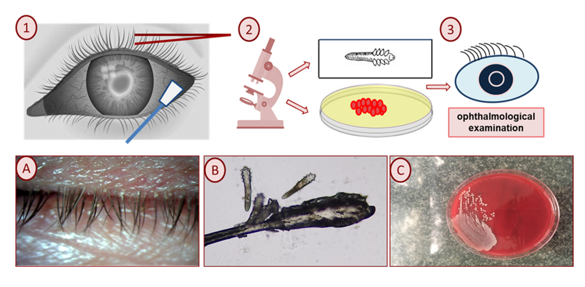
DEMODEX/BACTERIA ON THE EYELIDS CAN CAUSE DESTABILIZATION OF THE TEAR FILM
Like the skin, the barrier function of the tear film of the ocular surface will be less able to retain moisture and protect against bacteria, irritants, allergens, and environmental pollution.
For this reason, Ophthalmogen eyelid/eyelash hygiene is considered absolutely essential for all patients with skin diseases such as dermatitis, eczema, rosacea, psoriasis, acne, etc.
The appropriate dosage of Tea Tree Oil, such as that found in Ophthalmogen, Naviblef products, covers both bacterial (Staphylococcus) and parasitic infections. (Demodex folliculorum & Demodex Brevis)
IMPROVE THE CONDITION OF YOUR EYELIDS/EYELIDS
THE NEXT STEP IN DRY EYE TREATMENT
In addition to treating bacteria and Demodex parasites, it is also important to maintain ideal hydration of the eyelids and eyelashes, which contributes to maintaining moisture on the ocular surface. For this reason, it is recommended that sufferers of both skin and eye diseases spray their eyelids/eyelashes daily with Ophthalmogen Spray and massage the eyelids at least once a night with Ophthalmogen gel.
For the effective treatment of dry eyes, especially in severe cases, use the Ophthalmogen Eye10 self-heating disposable eye compresses, which will unblock the meibomian glands and allow the unhindered flow of the fatty element of the tears to the ocular surface of the eye.
After using the self-heating disposable compress masks, it is advisable to instill and spray the ocular surface with artificial tears such as Visionlux Plus, Navitae Plus, Flora Vision Spray.