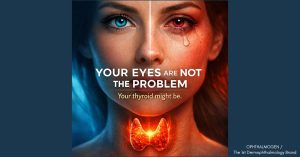
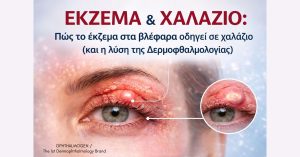
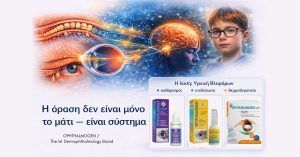
We all recognize how precious our eyes are. Around 80% of the information we receive about the world comes through vision. Yet, while we brush our teeth, care for our skin and hair every day, eye hygiene has been neglected.
daily eye hygiene is not a luxury but a necessity.
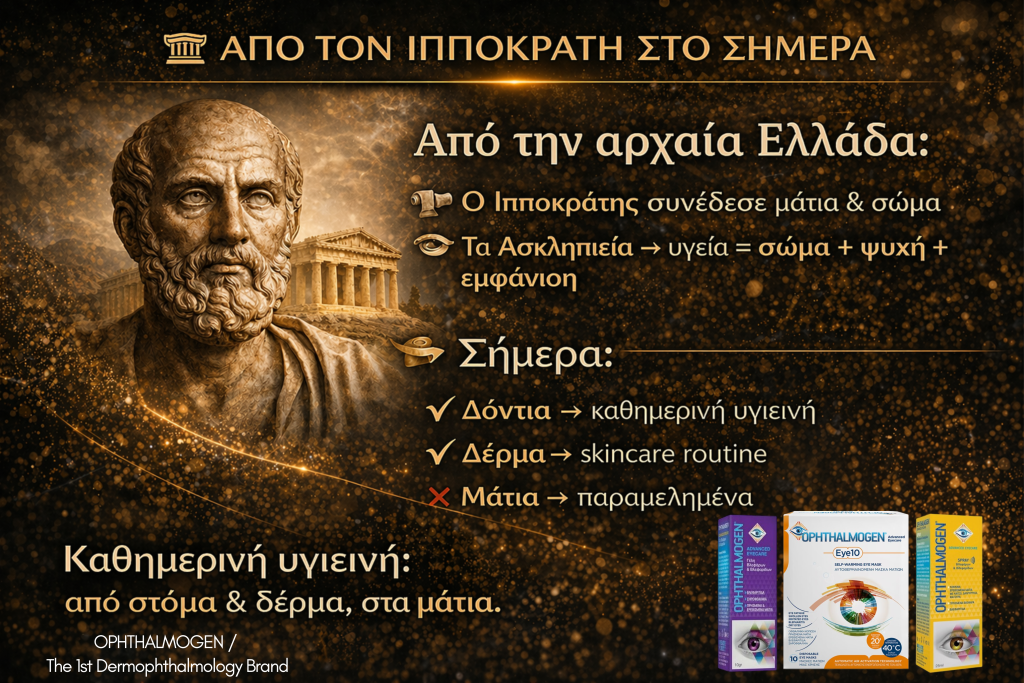
1. A Historical Perspective – From Hippocrates to Today
The ancient Greeks linked health to harmony of body and spirit. Hippocrates referred to “nasal afflictions” that affect the eyes, while the Asclepieia emphasized that true health was always connected with aesthetics and the soul.
In modern times, oral hygiene became the cornerstone of dentistry, and skincare became the foundation of dermatology and aesthetic medicine. Today, it is time to recognize eye hygiene as a daily practice for everyone.
2. Why Eyes Have Been Neglected
For decades, ophthalmology focused on diseases and surgeries.Aesthetic medicine focused on results, not roots. The missing piece has been daily eyelid, eyelash, and ocular surface hygiene, which never became part of everyday culture.
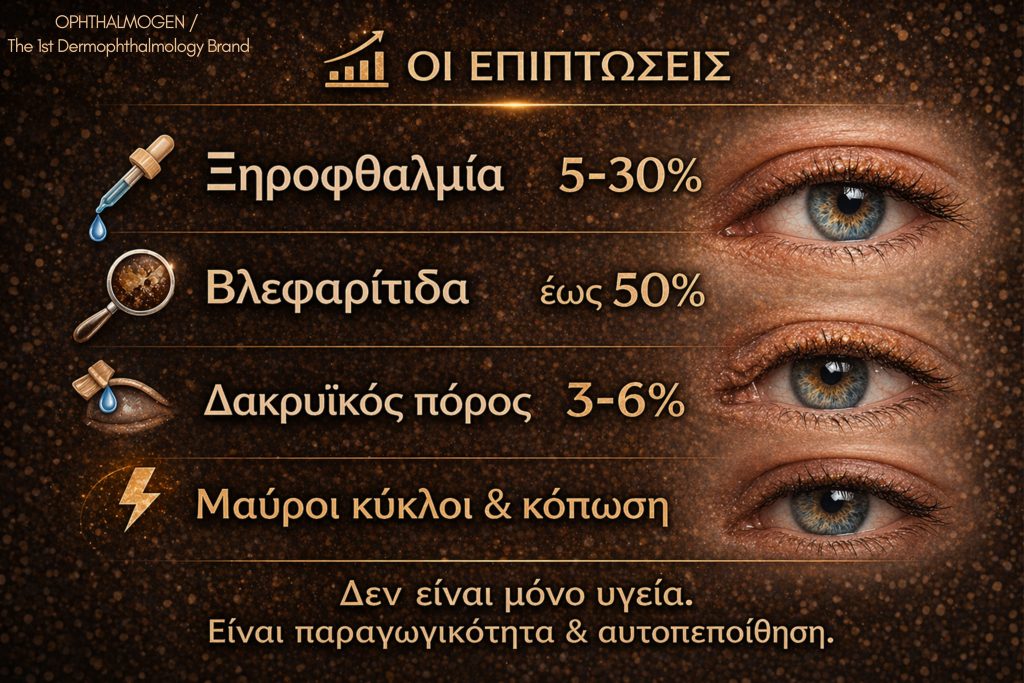
Dry eye disease: affects 5–30% of the population, depending on age, climate, and screen use.
Blepharitis: estimated to affect up to 50% of people.
Nasolacrimal duct obstruction: occurs in 3–6% of adults, but real numbers are likely much higher.
Dark circles & ptosis:often signs of chronic inflammation, poor microcirculation, and fatigue.
Neglect is not only a medical issue. It has social costs: lost productivity, reduced self-confidence, and increased burden on healthcare systems.
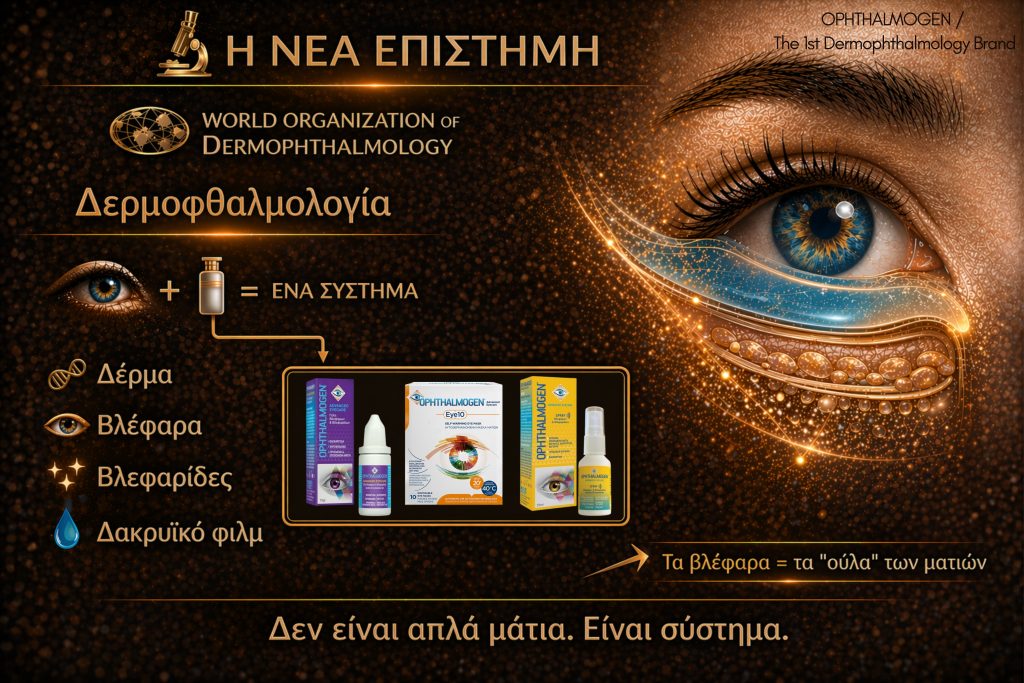
4. The Philosophy of Dermophthalmology
Dermophthalmology introduces a new perspective::
Eyes are not separate from the skin, eyelashes , and eyebrows.
The eyelid functions like the gums for teeth — the “periodontium” of the eye.
Beauty is founded on health.
Eye hygiene should be part of everyone’s daily life, not just for those with disease.
5. The Role of Daily Hygiene
Cleansing
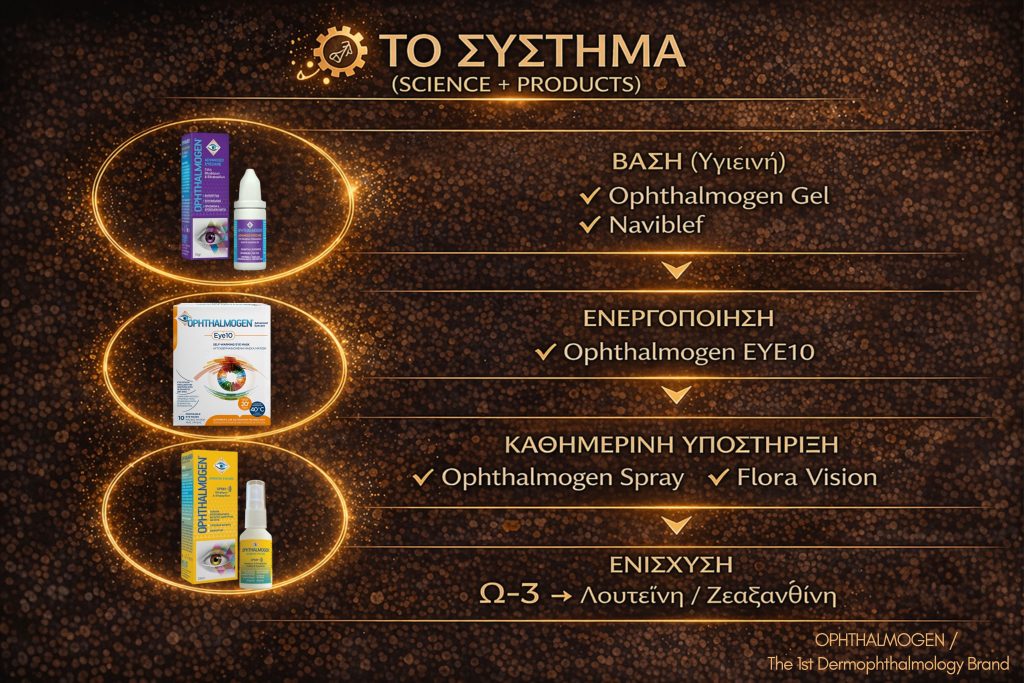
Cleansing is not just rinsing with water. It requires targeted products such as Ophthalmogen and Naviblef, which remove sebum, makeup residue and bacteria.
Massage & Thermotherapy
Massage with Ophthalmogen Gel enhances microcirculation and Meibomian gland function.
Ophthalmogen Spray reduces bacterial load and controls Demodex, while Flora Vision (green) offers natural relief for allergic patients.
Artificial Tears & Supplements
Visionlux Plus Duo, Thealoz Duo,Navitae Plus, Systane, Navi Infla, Flora Vision Spray, OftaliaNaturando, hydrate the ocular surface.
Supplements with Omega-3, lutein, zeaxanthin, and ALLVITA EYES & MACUSAVE support retinal and tissue health.
6. Aesthetics & Hygiene – Allies, Not Opponents
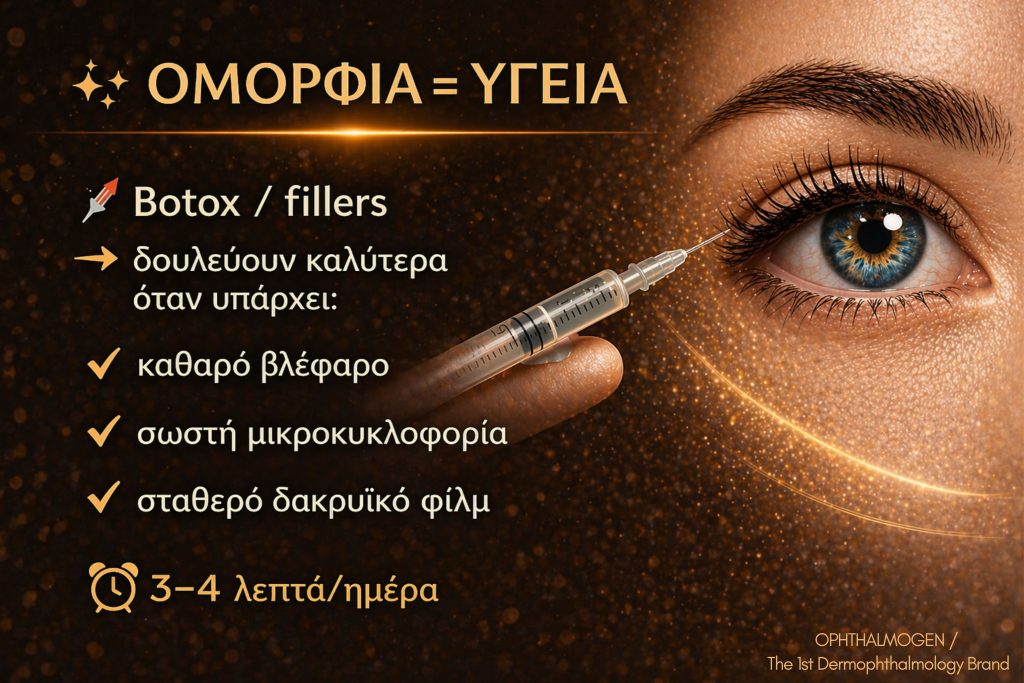
Eye hygiene does not compete with aesthetic medicine — it enhances it. Just as brushing makes whitening more effective, daily eye hygiene makes Botox, fillers, and laser results more natural and long-lasting.
7. Public Health & Society
Eye hygiene is not luxury; it is prevention..
Fewer doctor visits and prescriptions.
Lower healthcare costs.
Increased productivity.
Improved quality of life and self-image.
Governments and schools must play a role: as toothbrushing was taught to children, eye hygiene should also become an essential habit for the next generation.
8. Το Μανιφέστο
Η Δερμοφθαλμολογία / ConceivedinGreece δεν είναι μόδα· είναι το νέο κεφάλαιο της ιατρικής. Δεν μιλάμε απλώς για προϊόντα· μιλάμε για αλλαγή συνείδησης.
Just as Greece gave the world medicine and philosophy, it now offers a new paradigm:
eye hygiene as a foundation of health, beauty, and life.
Conclusion
Eyes are not just organs of vision; they are mirrors of health, youth, and confidence. Their hygiene is not optional but a responsibility. Dermophthalmology opens a new era where health and beauty are not opposites, but allies. And this new era begins in Greece.