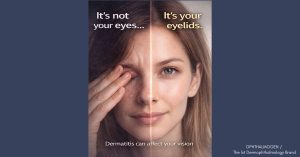
When the problem is not in the eyes — but in the thyroid

Introduction

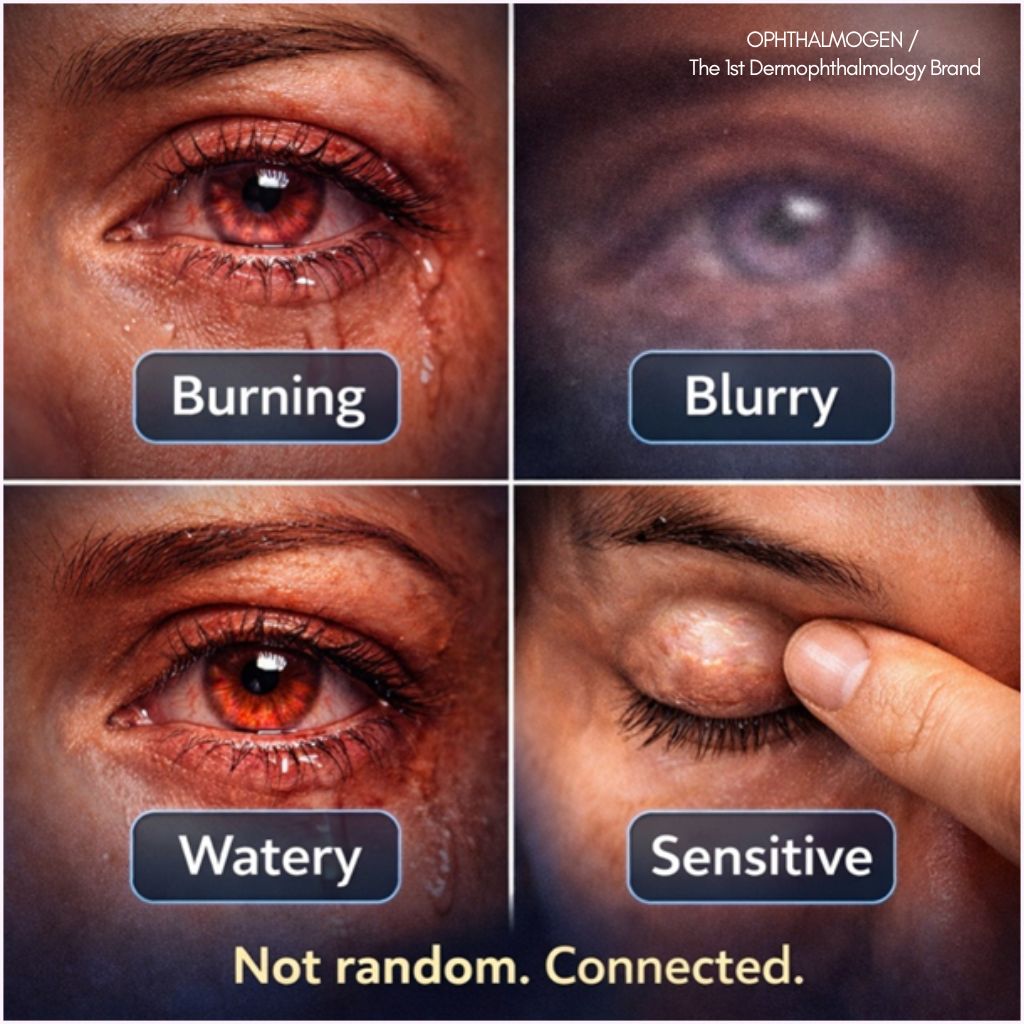
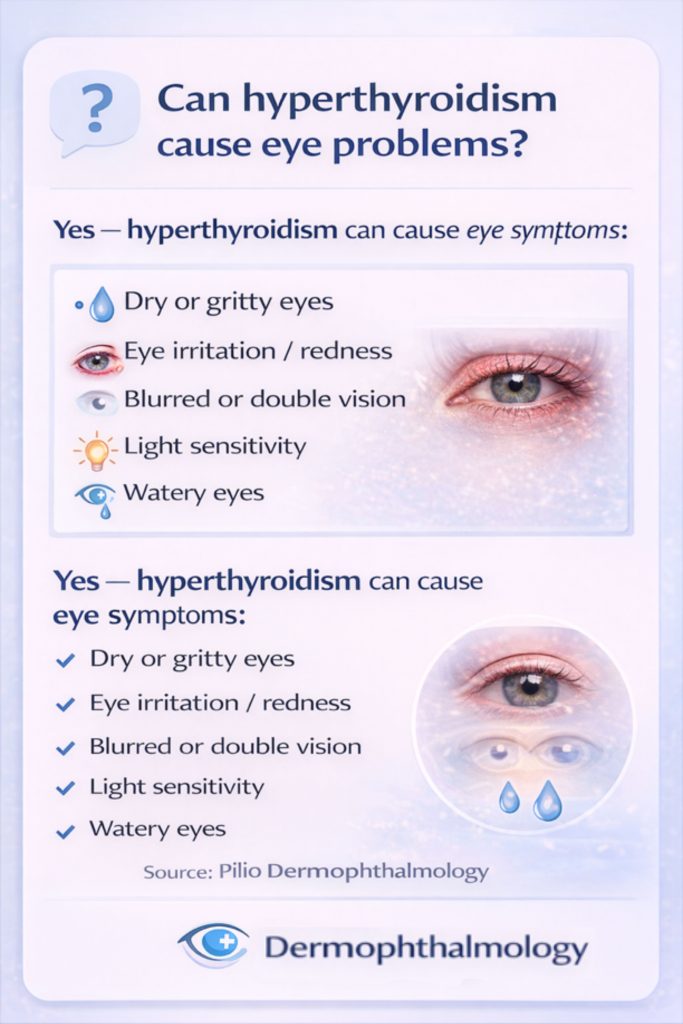
If you have hyperthyroidism and notice:

you probably think:“Something is wrong with my eyes.”

But the reality is often different:

the cause may start in the thyroid — not in the eyes

What is hyperthyroidism (and how common is it)?

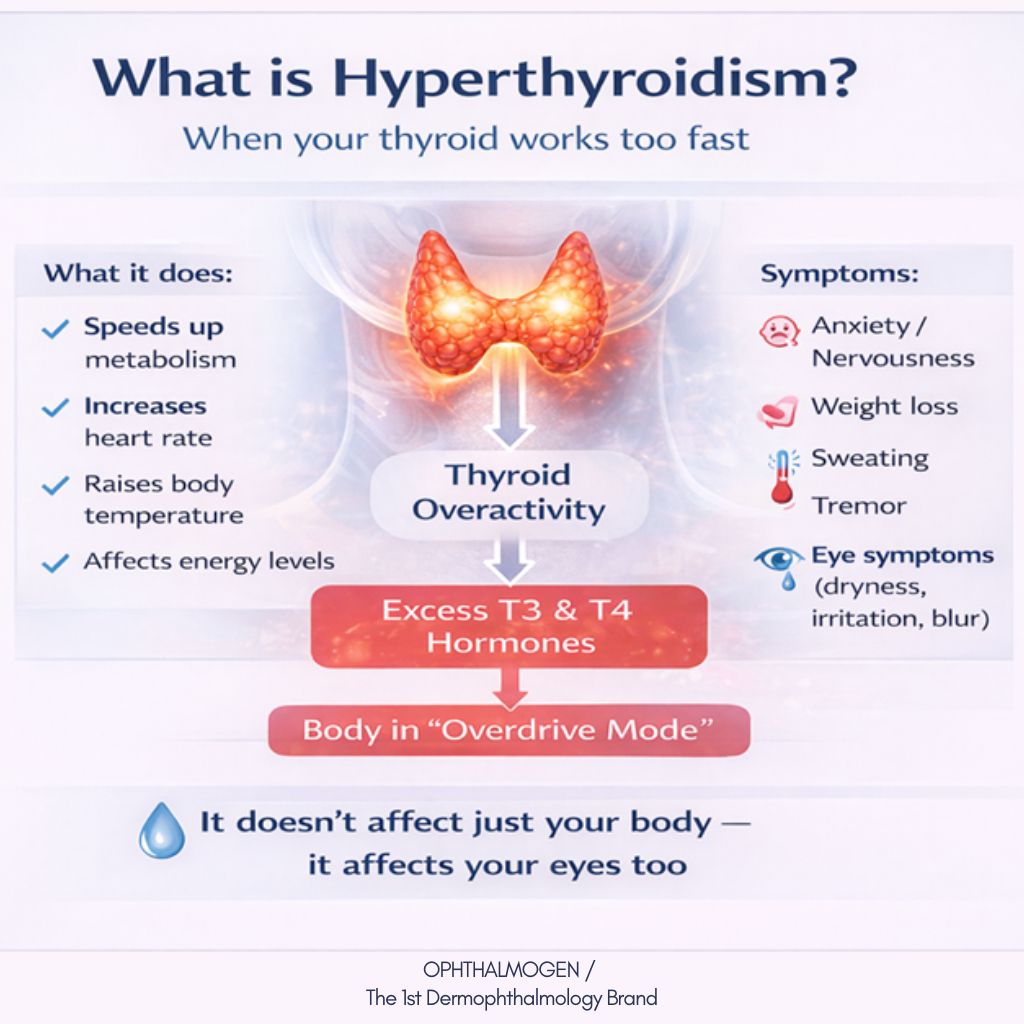
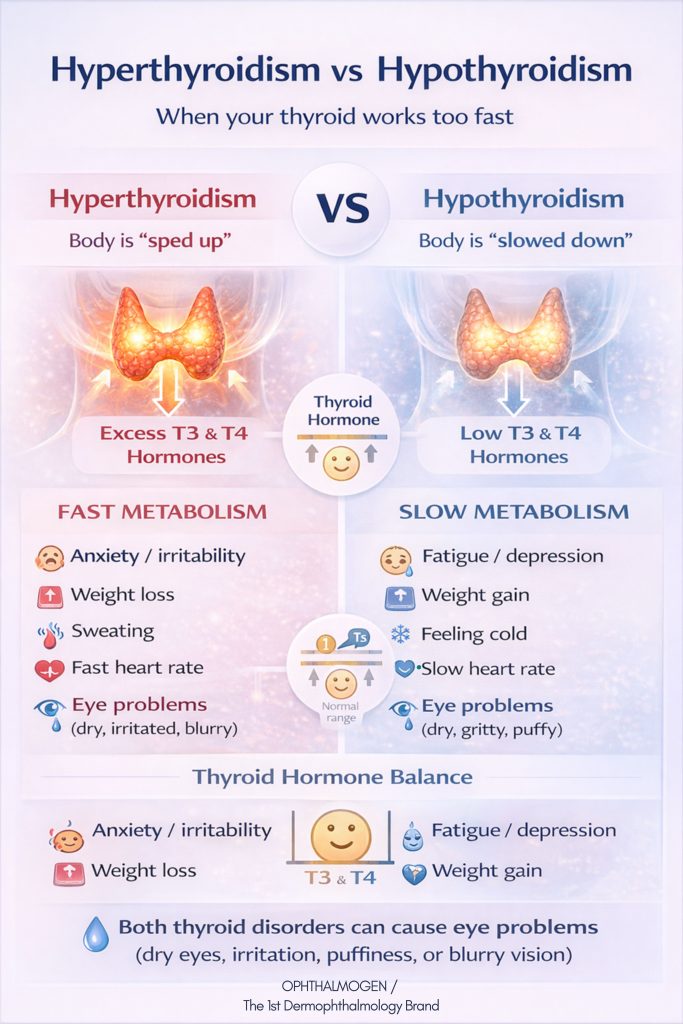
Hyperthyroidism is a condition in whichthe thyroid gland produces excessive amounts of thyroid hormones (T3 and T4)

What does it cause in the body?

These hormones regulate:

  • metabolism
  • energy
  • temperature
  • organ function

When they increase:the body goes into (overdrive)

Main cause

The most common cause is Graves’ disease

How common is it?

  • 1–2% of the population
  • up to 3–4% if subclinical forms are included

it is more common in women (5–8 times more often)

And something important::

  • many patients remain undiagnosedand very often,

the first symptoms appear in the eyes

The main mistake

Most people:

  • treat the eyes
  • but not the system

when in reality everything is connected.

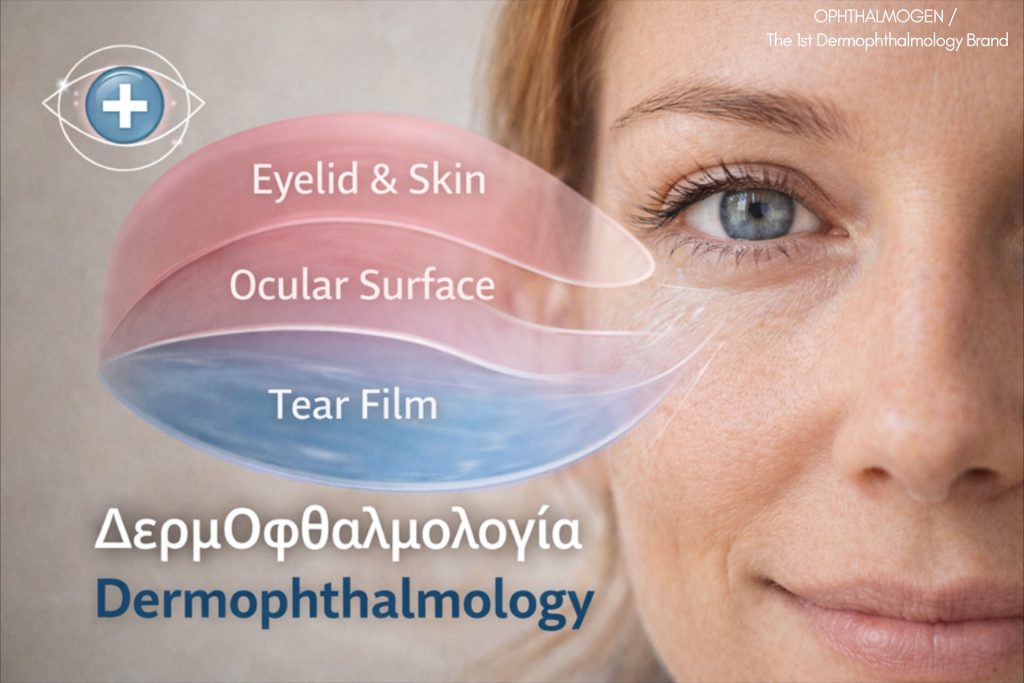
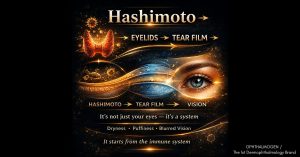
The connection: Thyroid → Eyelids → Tear film → Vision

Vision depends on an integrated system:

  • eyelids
  • eyelashes
  • Meibomian glands
  • tear film
  • ocular surface

known as the: Eye-Skin Axis

When the thyroid is affected: the entire system becomes unstable

How hyperthyroidism affects the eyes

Inflammation

result:dry eye and sensitivity

Eye exposure

result:increased tear evaporation

Meibomian Gland Dysfunction (MGD)

  • gland blockage
  • poor lipid quality

result:evaporative dry eye

Tear Film Instability

this leads to:

  • burning
  • dryness
  • blurred vision

Why Your Vision Becomes Blurry

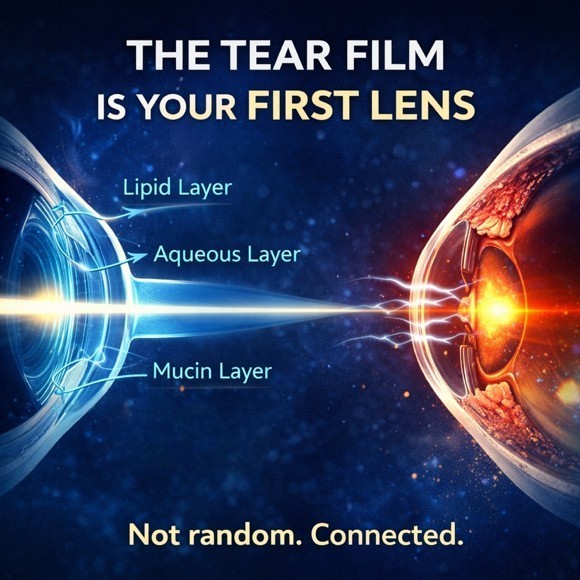
The tear film is the first optical surface

When unstable:

  • light scatters
  • the image becomes distorted

this causes:

  • momentary blurred vision
  • improvement with blinking

Not a glasses issue, but a tear film issue. 

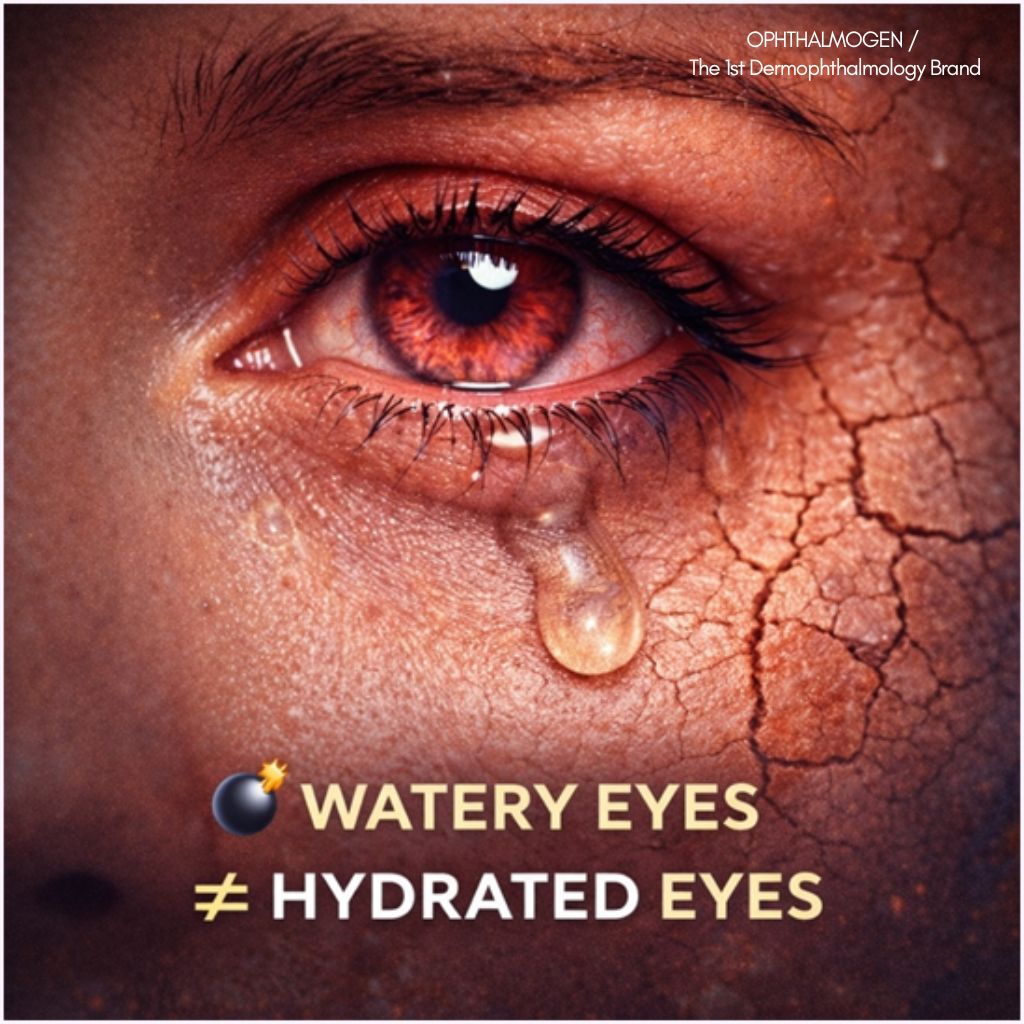
Why the eyes water

dry eyes → tears

  • dryness → reflex tearing
  • but poor-quality tears

Result: eyes water but remain dry.

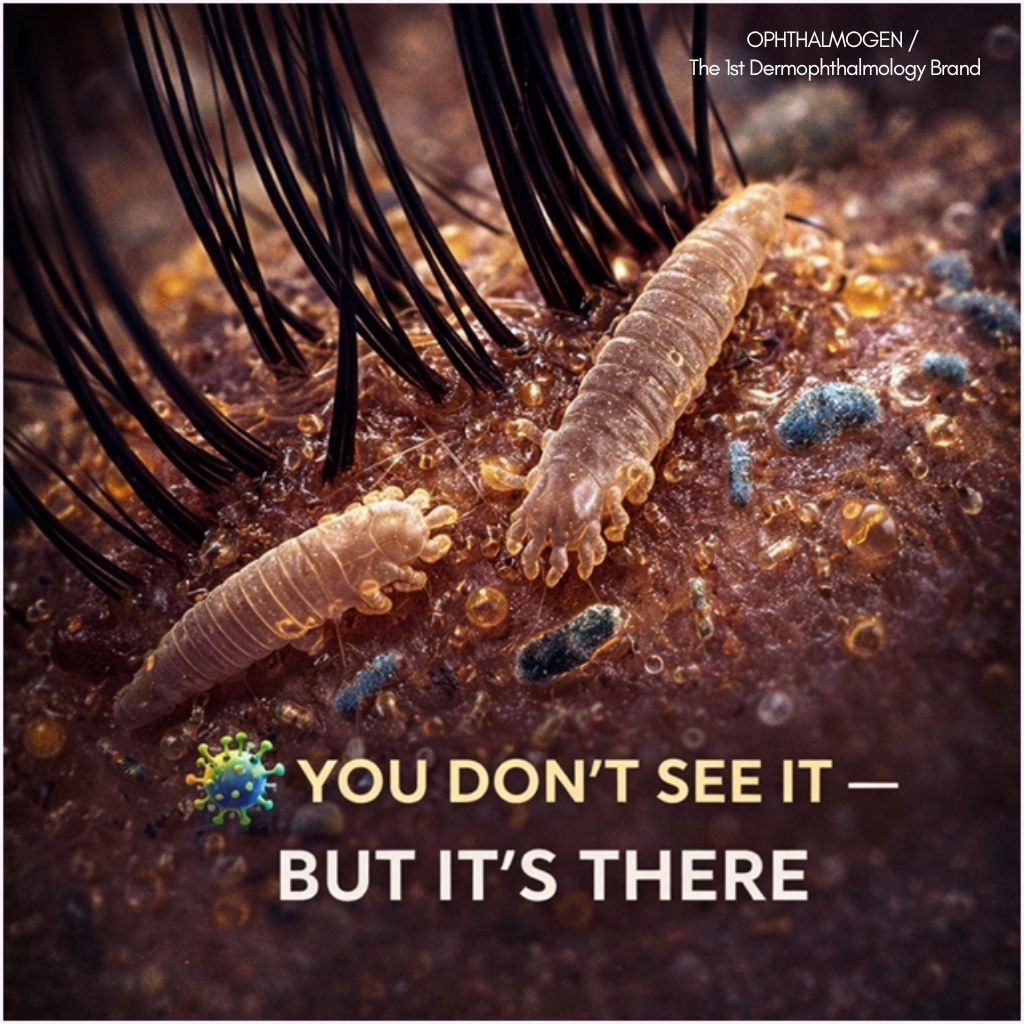
Microbiome and Demodex

this leads to: blepharitis and chalazion.

Why the problem keeps returning

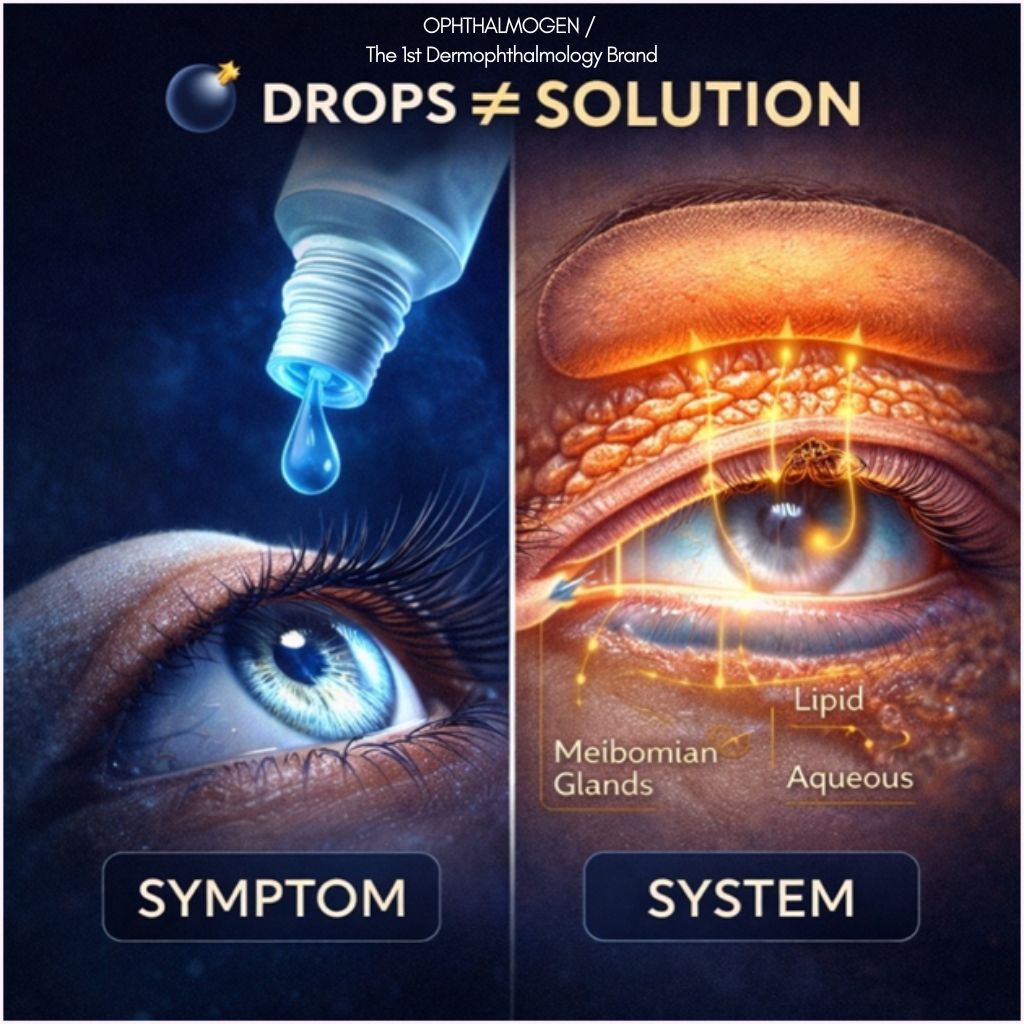
Because only the symptoms are being treated and not the system.

CRITICAL INSIGHT

Dry eye in hyperthyroidism is not simply a “tear” problem.

It is:

  • eyelid dysfunction
  • gland imbalance
  • tear film instability

in other words:a system problem

Practical approach (daily basis)

Dermophthalmology System Routine

Managing eye symptoms in patients with hyperthyroidism is not based on a single solution. It requires restoration of the entire eyelid and tear film system

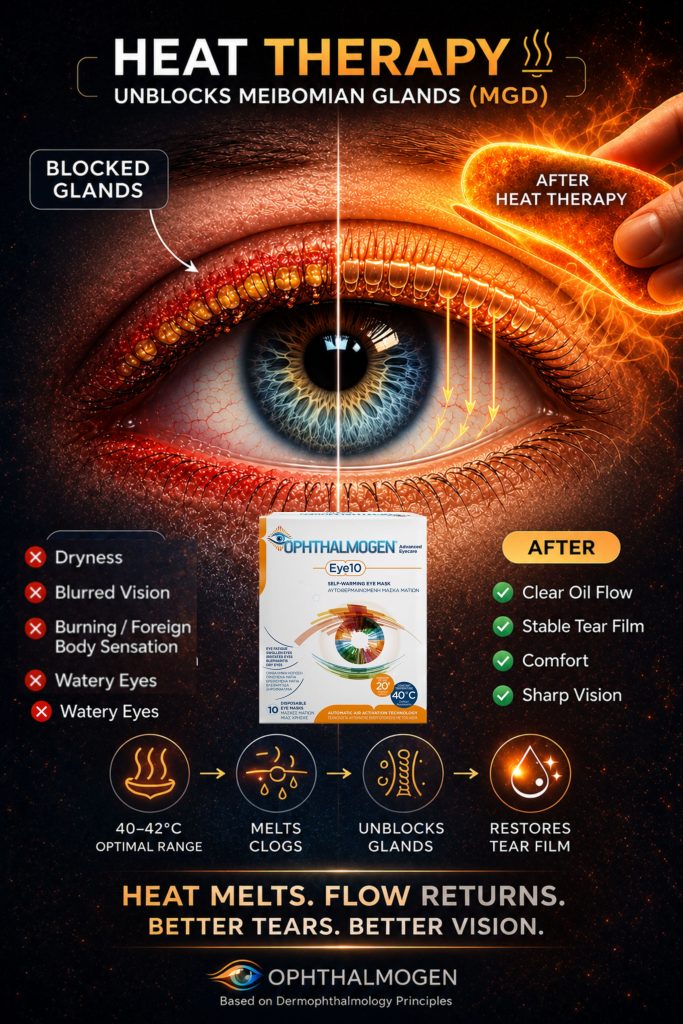
Controlled Heat Therapy

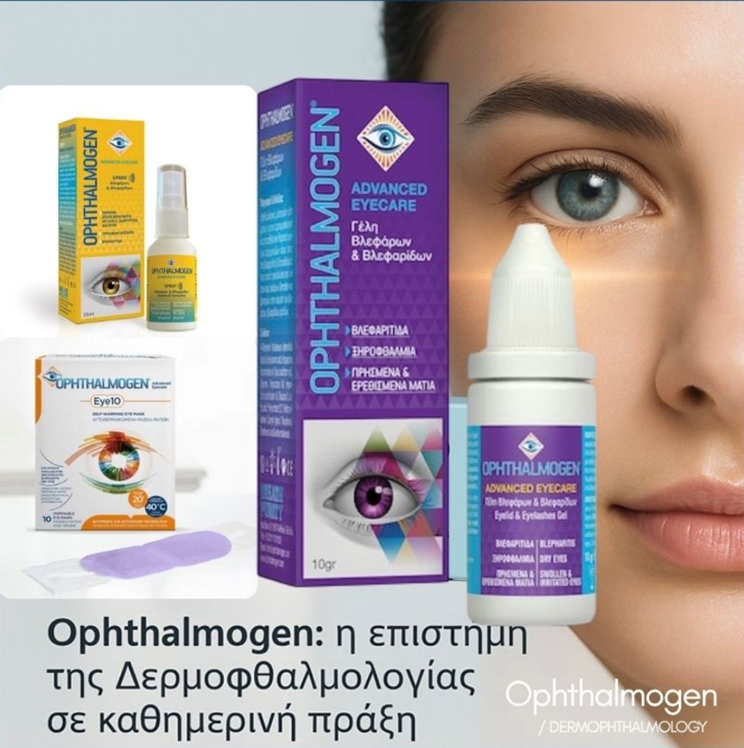
Solutions such as Ophthalmogen EYE10 are preferred for:

  • stable temperature
  • safety
  • effectiveness

2. Daily eyelid hygiene

Not eyes → eyelids

using Ophthalmogen Gel:

3. Tear film support

Goal: stability

Preparation (CRITICAL STEP)

before artificial tears:

or

This

  • reduces irritation
  • activates the glands
  • reduces rubbing

Artificial tears υψηλής απόδοσης

they work much better when the environment has already stabilized

During the day

Use Ophthalmogen Spray for:

  • enhances hydration
  • less itching
  • less rubbing

4. Reduce rubbing

Its critical because it:

  • worsens inflammation
  • damages the glands

The Big Picture

  • This is not 1 product.

it is:a 4-level system

Conclusion

Yes — hyperthyroidism:

  • causes dry eyes
  • affects vision
  • creates irritation

because it affects the entire system.

Final thought

If you treat only the eyes…the problem will return

If you restore the system…you break the cycle — and restore visual stability

Frequently Asked Questions (FAQ)

Why does vision become blurry in hyperthyroidism?

Blurred vision is often not directly a problem of the eye itself, but:a tear film instability issue

The tear film is the first optical surface of the eye.

When unstable:

  • light scatters
  • the image becomes distorted

leading tointermittent blurred vision

Can hyperthyroidism cause watery eyes even if I have dry eye?

Yes — and this is often misunderstood.Dry eye can actually cause excessive tearing.

  • reflex tear production
  • poor-quality tear film

So your eyes may water but still remain dry.

What role do the eyelids play in hyperthyroidism?

The eyelids are essential for:

  • tear production and distribution
  • pro per Meibomian gland function

When they are affected, the entire system becomes unstable.

That’s why:eyelid hygiene is a key part of treatment

Are artificial tears enough?

No — in most cases, they are not.Artificial tears help with hydration, but: they do not restore:

  • gland function
  • the lash line environment
  • microbiome

For better resultsthey should be preceded by:

  • eyelid cleansing
  • gland activation

When do artificial tears work best?

When applied on a properly prepared eyelid environment

That means after:

  • eyelid spraying
  • or gentle eyelid massage with gel

This

  • improves absorption
  • increases effectiveness
  • reduces the need for frequent use

Why do I keep rubbing my eyes?

Hyperthyroidism often causes:

  • cytokine release
  • itching
  • dryness

leading to constant eye rubbing However, rubbing:

  • worsens inflammation
  • damages the skin
  • worsens gland dysfunction

How can I treat dry eye caused by hyperthyroidism?

The right approach is not one-dimensional.It requires a system-based approach (Dermophthalmology) Including:

  • heat therapy
  • eyelid hygiene
  • tear film stabilization
  • reduce eye rubbing

Goal: not just relief but long-term stability and prevention

Should I clean my eyelids every day?

Yes — and it is one of the most important stepsbecause it:

why:

  • removes biofilm
  • reduces Demodex
  • prevents gland obstruction

Just like teeth need daily brushing…your eyelids need daily cleansing

 Does heat therapy help in thyroid-related eye problems?

Yes — significantly.

It helps:

  • open Meibomian glands
  • improve lipid flow
  • stabilize the tear film

with one condition:it must be controlled (~40°C)

What is the correct daily routine for healthy eyes with thyroid issues?

The most effective approach isa system-based routine.

It includes:

  1. Controlled Heat Therapy
  2. Eyelid hygiene
  3. Tear film stabilization
  4. During the day

Goal:not only to relieve symptoms but to prevent recurrence

Should I see a doctor?

Yes, especially if you experience:

Bottom line:Your eyes may be showing what your thyroid is affecting.

Recommended Posts