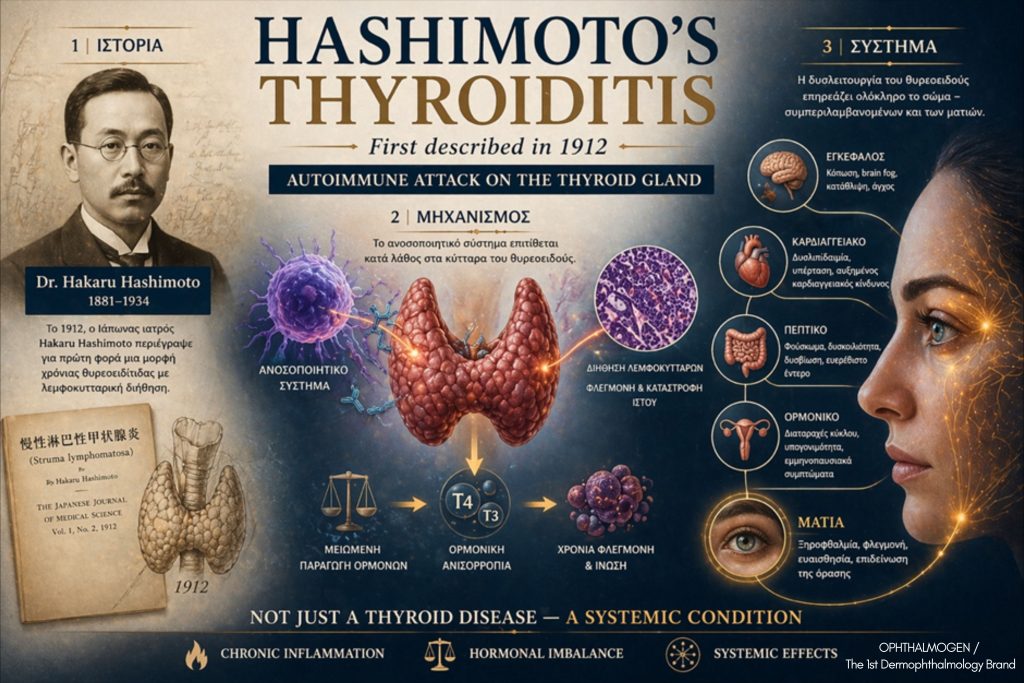
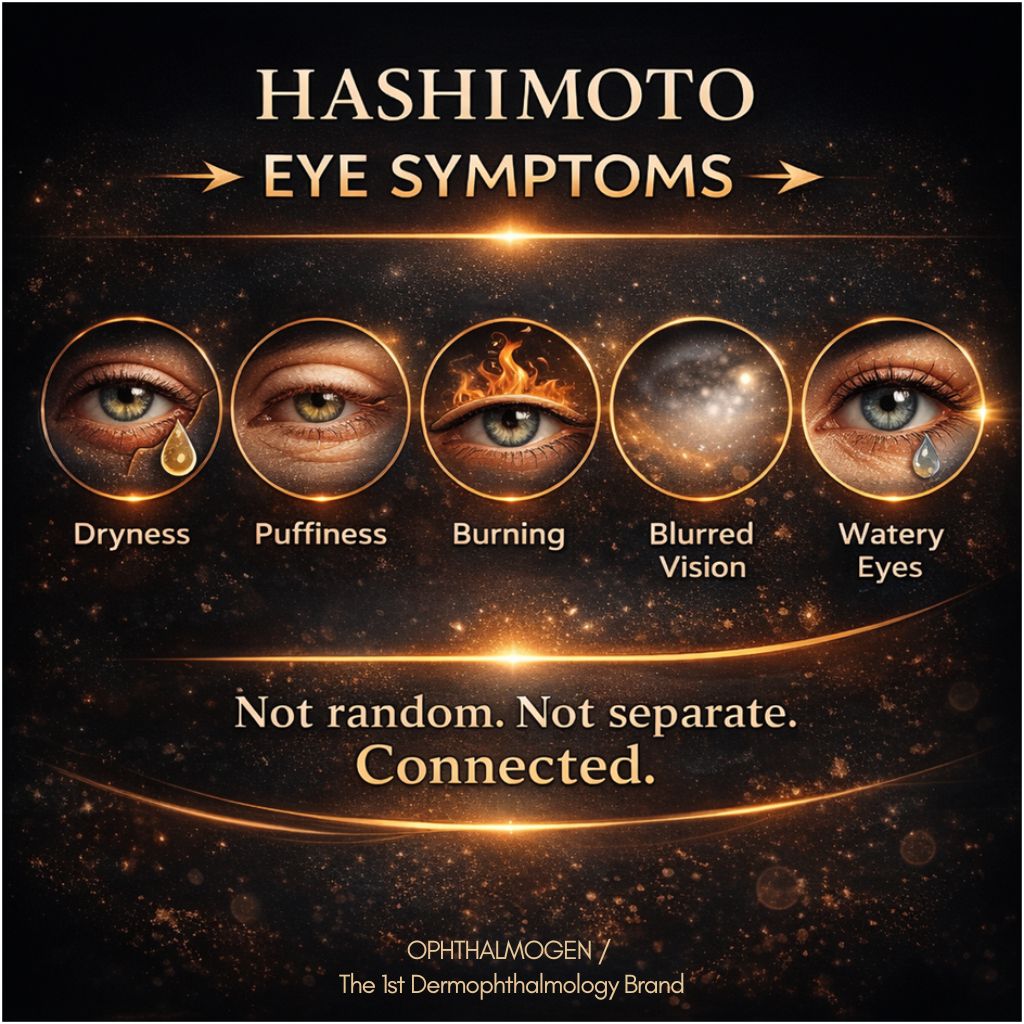
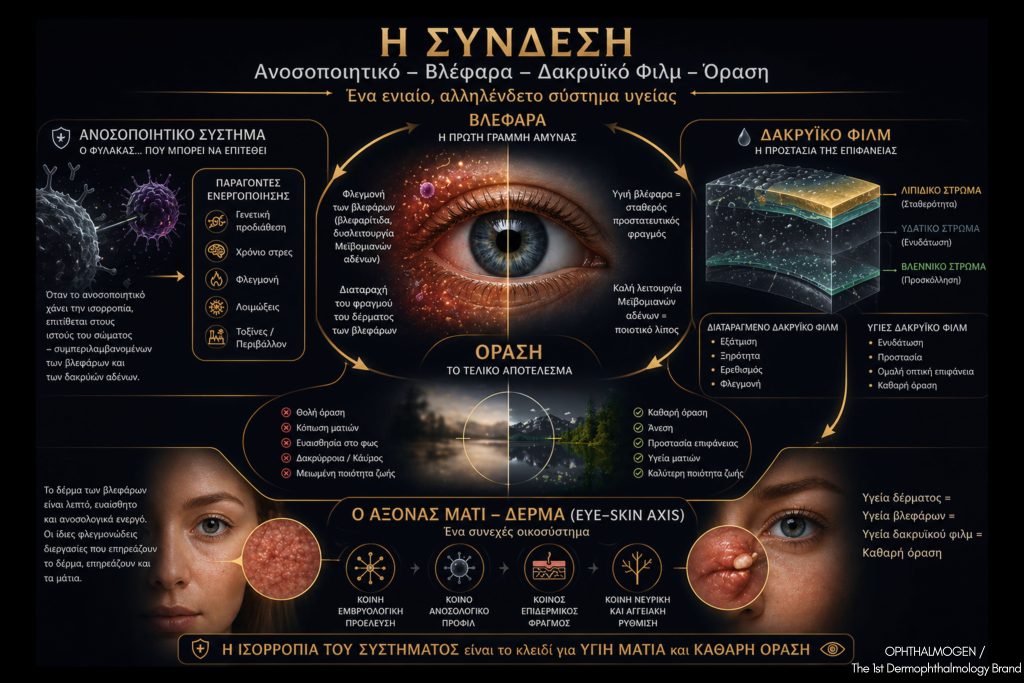
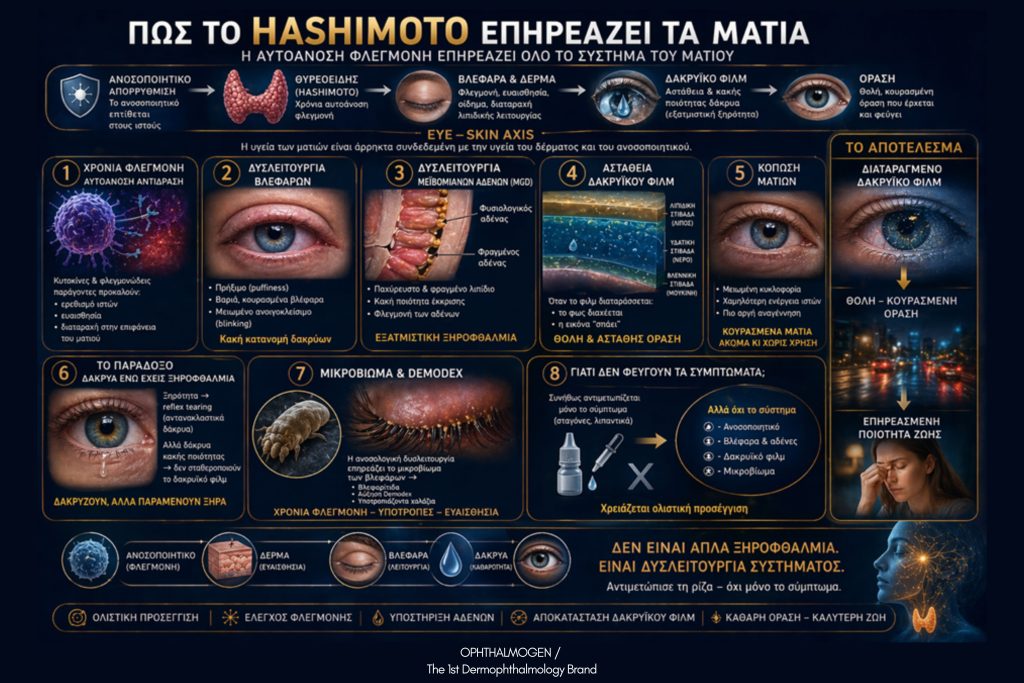
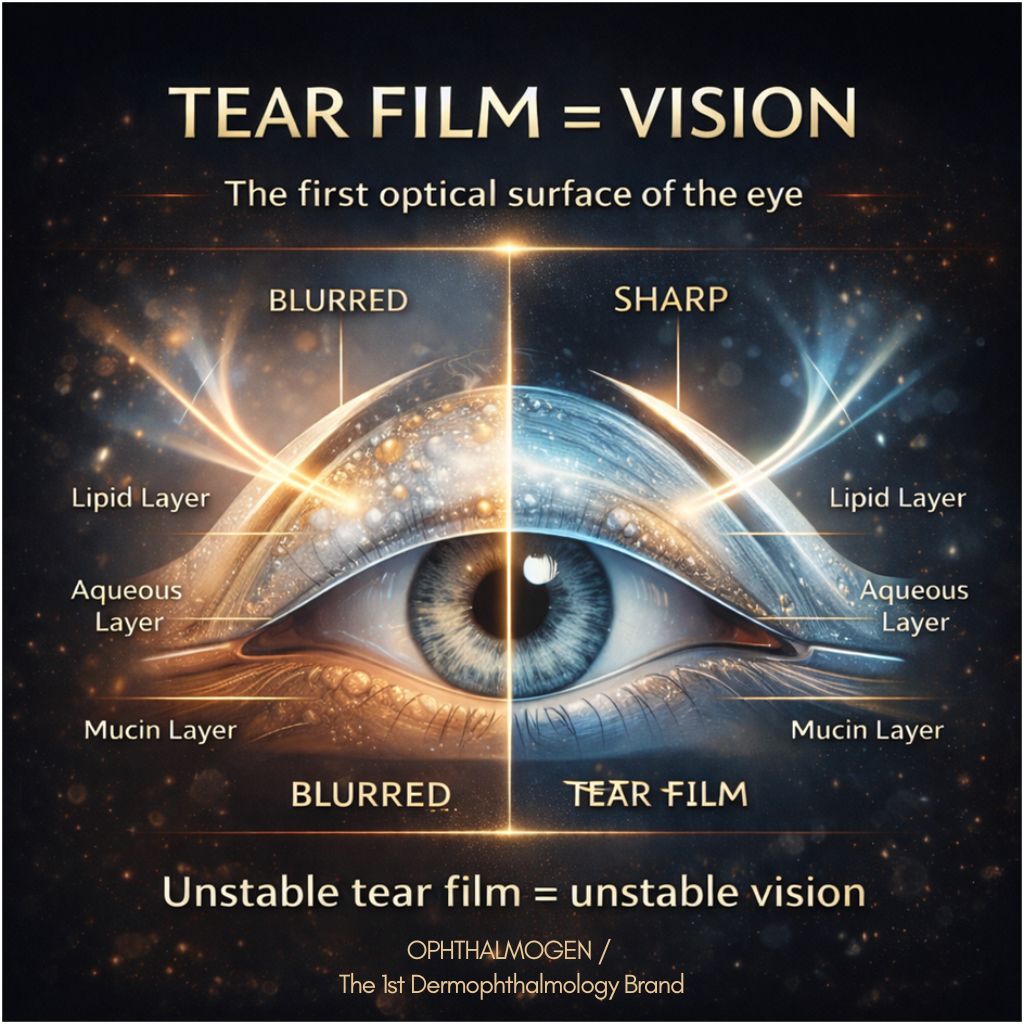
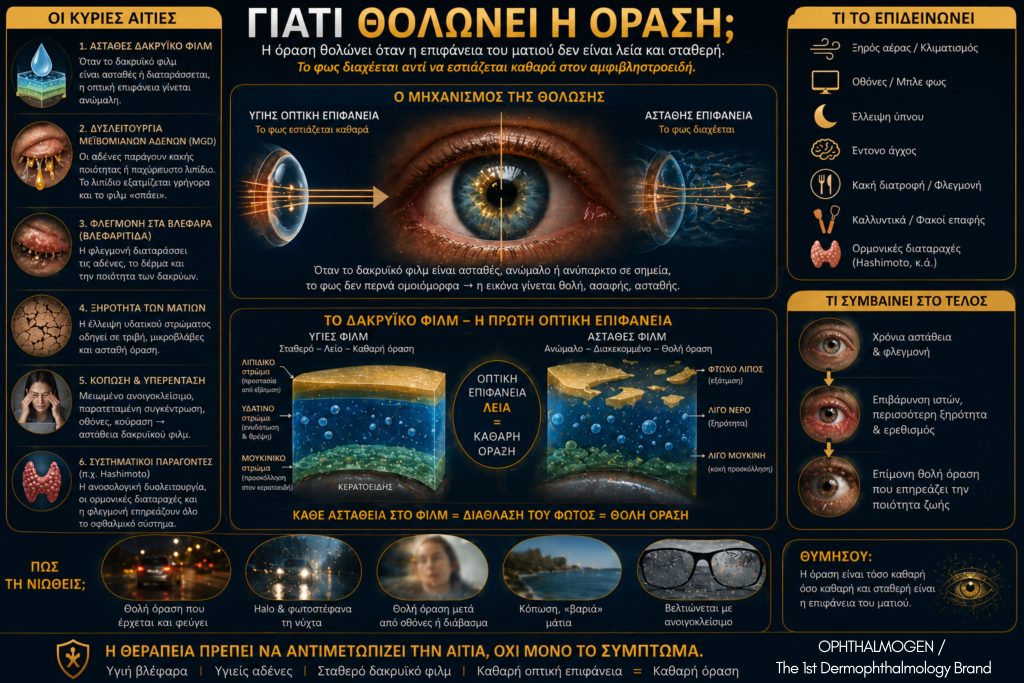
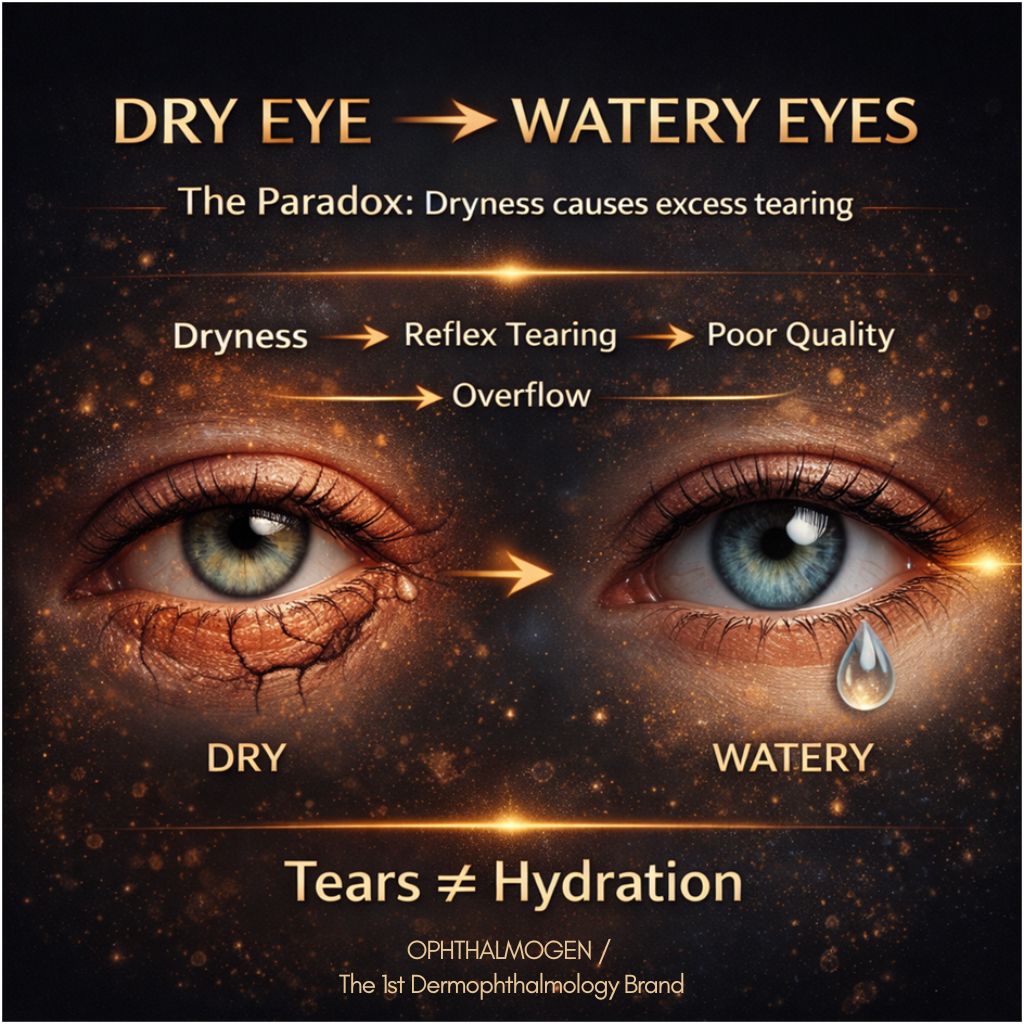
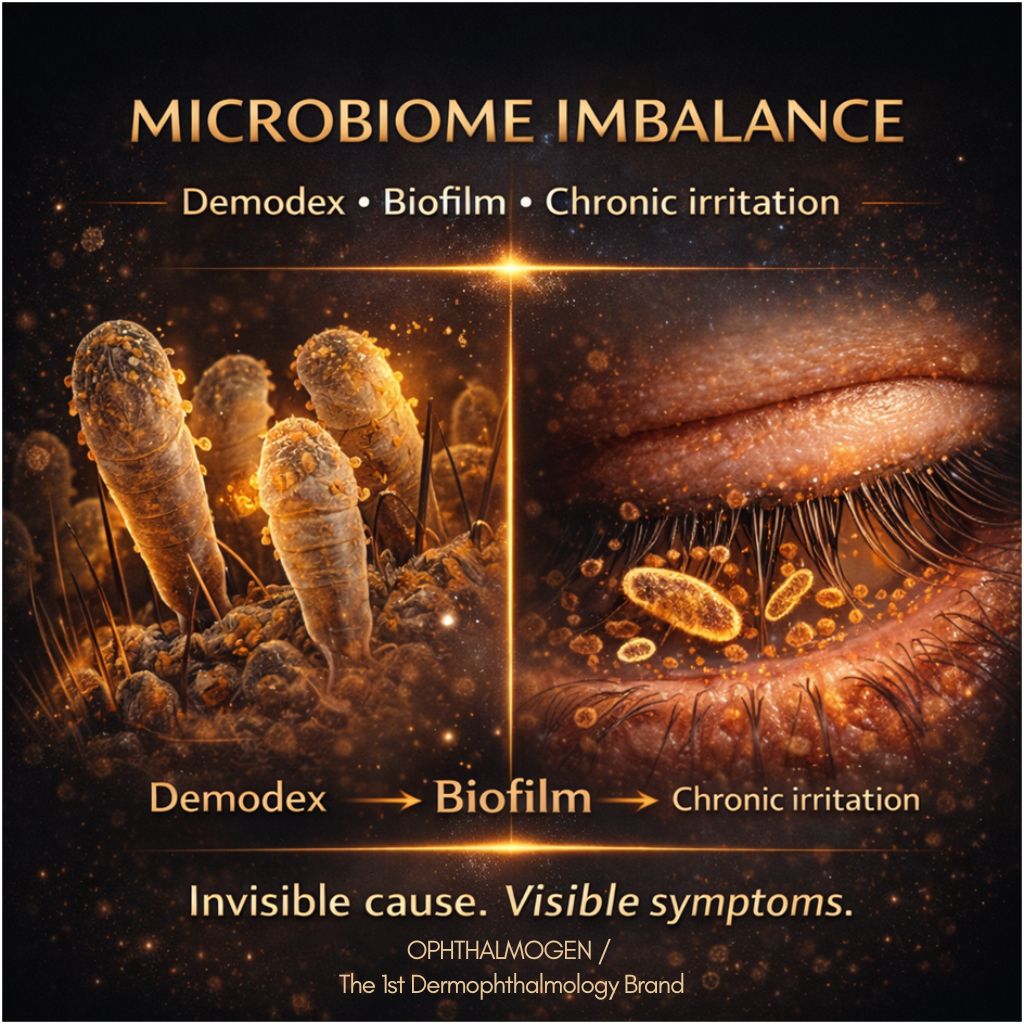
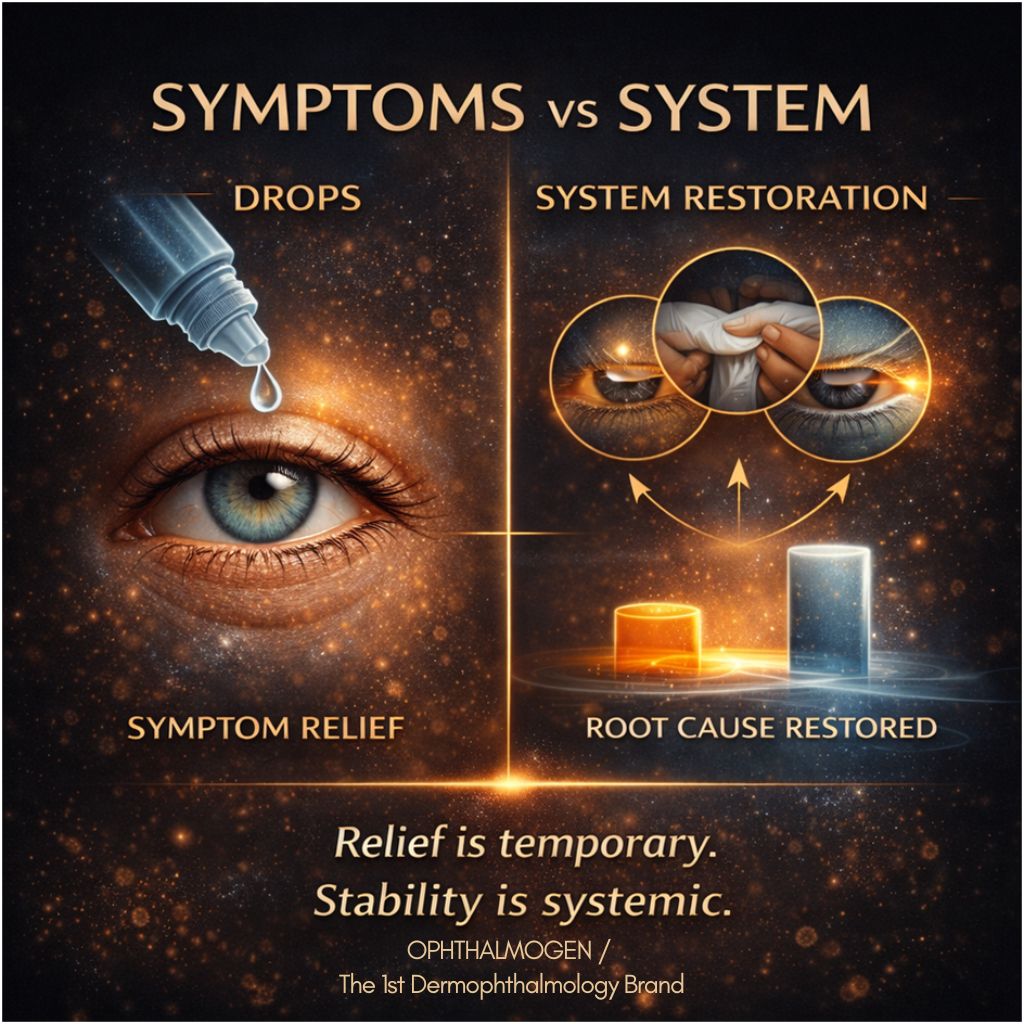
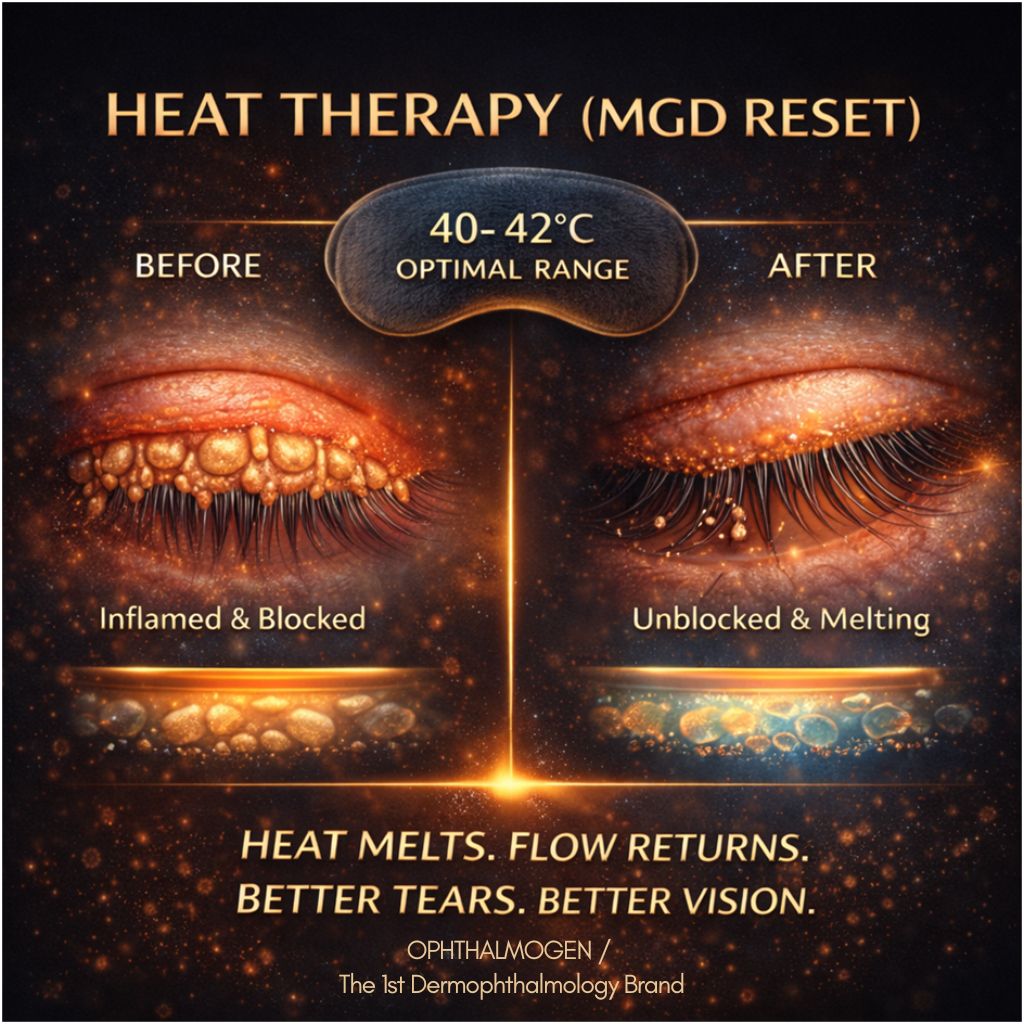
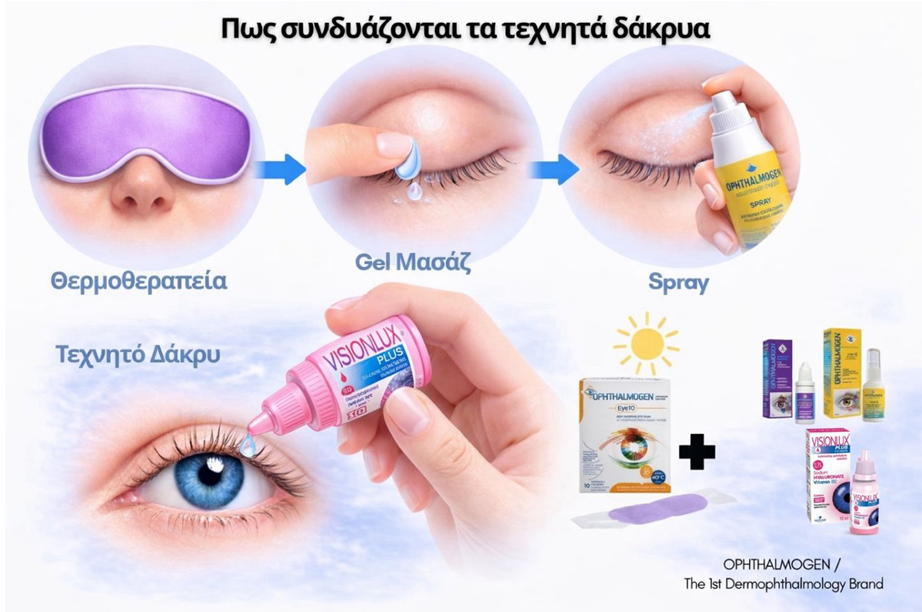
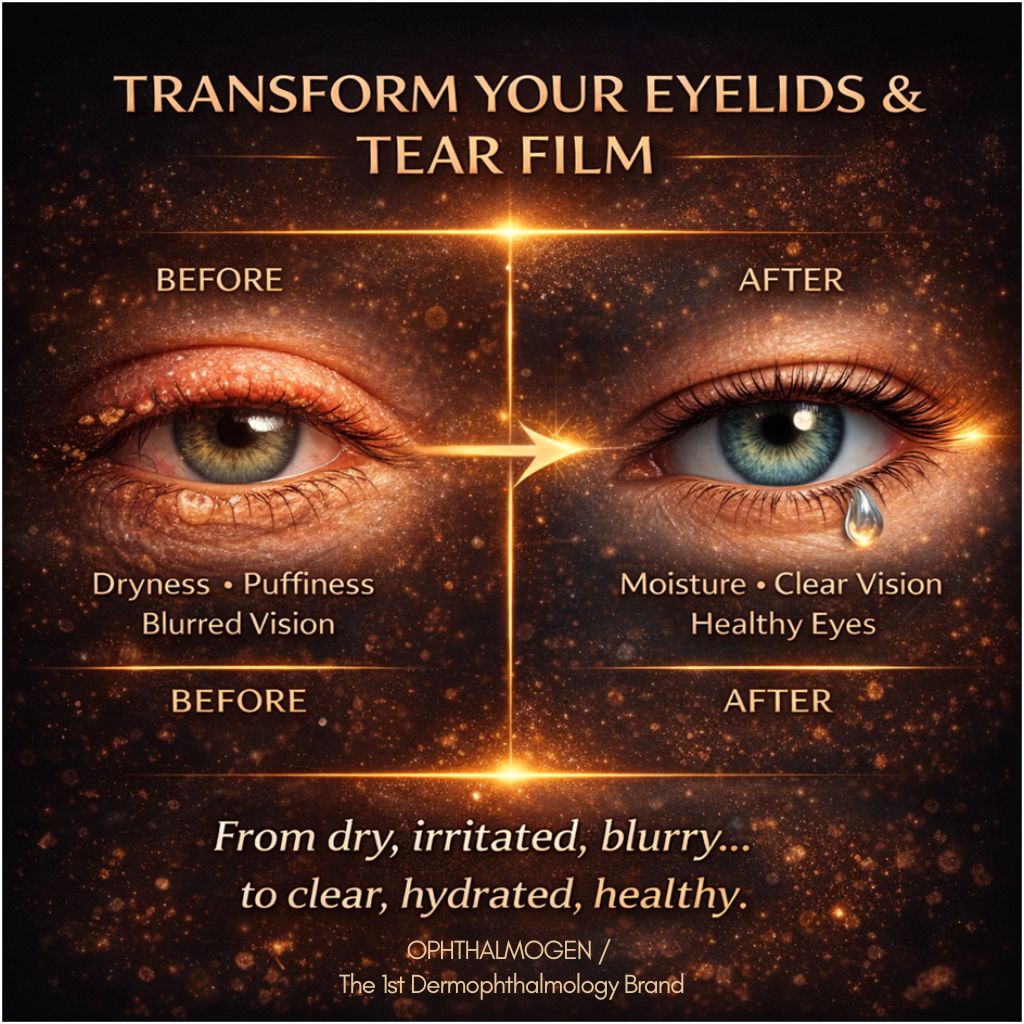
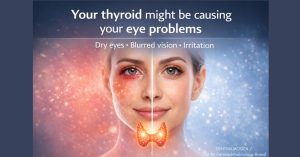
Posted on May 3, 2026By OphthalmogenIn Blog, Eye diseases Introduction Your eyes are not just tired.They may be reflecting something deeper.If you have Hashimoto’s thyroiditis and experience:dry or burning eyespuffy or heavy eyelidsblurred vision that comes and goeswatery eyes without reasoneye fatigue (especially on screens)you probably think:“It’s just eye strain.”But the reality is different:the problem may not start in your eyesbut in your immune system What is Hashimoto’s (History, Name & Meaning) Hashimoto’s thyroiditis is an autoimmune disease where:the immune system attacks the thyroid gland Why is it called “Hashimoto”? The condition is named after: Dr. Hakaru Hashimoto, a Japanese physician Historical background First described in 1912Published in a German medical journalOriginally called:Struma lymphomatosa What he discovered Dr. Hashimoto observed:lymphocytic infiltration of the thyroidchronic inflammationgland destruction over timeThis was one of the first descriptions of autoimmune disease in medical history. How common is it? affects ~5–10% of the populationsignificantly more common in womenoften underdiagnosedAnd something critical:: early symptoms often appear outside the thyroid, including the eyes What Hashimoto’s Does to the Body Hashimoto’s leads to:chronic low-grade inflammationreduced thyroid hormones (T3, T4)slower metabolismimpaired tissue functionThe body shifts into a state of:system-wide dysregulation The Connection: Immune System → Eyelids → Tear Film → Vision Vision depends on a single system:eyelid skineyelashesMeibomian glandstear filmocular surfaceThis is the:Eye-Skin Axis (Eye–SkinAxis) In Hashimoto’s: inflammation disrupts this entire system. How Hashimoto’s Affects the Eyes Chronic inflammationThey are:cytokine releasetissue irritationsurface instabilityResult:dry, sensitive, reactive eyes Eyelid Dysfunction swelling (puffiness)heavinessreduced blinking efficiencyResult: poor tear distribution Meibomian Gland Dysfunction (MGD) thicker oilsgland blockagereduced lipid secretionResult: evaporative dry eye Tear Film Instability leads to:burningdrynessfluctuating vision Reduced Circulation & Tissue Renewal They are:“tired eyes” feelingdull appearancereduced comfort Why Your Vision Becomes Blurry The tear film film is the first optical surface of the eye When unstable:light scattersimage quality dropsResult:intermittent blurred visionimproves with blinkingNot a glasses issue, a tear film issue. Why Your Eyes Water (The Paradox) Η Dry eye can cause excessive tearing due todryness → reflex tearingpoor tear quality → overflow Result: eyes water but remain dry. Microbiome and Demodex Hashimoto’s affects:immune balanceskin barrierthe eyelid microbiomeResult:blepharitischronic irritationrecurrent chalazia Why Symptoms Keep Returning Because most treatments target symptoms, not the system CRITICAL INSIGHT Hashimoto’s eye symptoms are NOT just drynessThey are:eyelid dysfunctiongland imbalancetear film instability In other words:A SYSTEM DISORDER Scientific Insight Research shows autoimmune thyroid diseases are associated with:increased ocular surface inflammationreduced tear film stabilityhigher rates of Meibomian gland dysfunctionSupporting the concept that:eye symptoms are part of a broader systemic condition Practical Approach (Daily Routine) Dermophthalmology System Routine Not one solution full system restoration Heat Therapy (MGD Reset) 40°Cfor 15–20 minutes opens glands melts thickened oils restores flow Ideally with innovative systems like OphthalmogenEYE10 Daily Eyelid eyelidsNot eyes → eyelidsusing Ophthalmogen Gel::cleans lash linehelps control Demodexsupports microbiome Tear Film SupportGoal: stability — not just hydration➤ Preparation (CRITICAL STEP)Before eye drops:spraying the eyelids with Ophthalmogen Sprayorgentle eyelid massage with Ophthalmogen Gelthis:reduces irritationactivates glandsreduces eye rubbing➤ Artificial tearsVisionlux Plus DuoThealoz DuoNavitae PlusSystaneOftalia NaturandoTears Naturalle, RefreshFlora Vision SprayWork much better on a stabilized surface. During the daywhy:increases inflammationdamages eyelidsworsens MGD The Big Picture Not one product. Not one stepIt is:a 4-level system Conclusion Yes — Hashimoto’s:causes dry eyescreates puffinessaffects visionBecause it disrupts the entire system. Final thought If you treat only the symptoms…the problem returns.If you restore the system…you break the cycle. FAQ Can Hashimoto’s cause dry eyes?Yes — through inflammation, gland dysfunction and tear instability.Why are my eyes puffy?Fluid retention + inflammation affecting eyelids.Can Hashimoto’s affect vision?Yes — via tear film instability.Are eye drops enough?No — they don’t restore the system.What actually works?The System-based approach which is based on daily eyelid care, especially with specialized products such as Ophthalmogen:heat therapytear film stabilizationbehavior control Should I clean my eyelids daily?Yes — like teeth, eyelids need daily hygiene. When should I see a doctor?if you have:persistent blurred visionpainlight sensitivityσυχνά or recurring chalazia If you have Hashimoto’s and eye symptoms:don’t treat only the eyesrestore the systeminfo@ophthalmogen.com FacebookTwitterLinkedIn