
Introduction
Systemic Lupus Erythematosus (SLE) is a chronic autoimmune disease affecting the skin, joints, organs, and eyes.
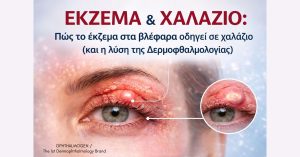
On the eyelids, lupus-related lesions create the conditions for more frequent, persistent, and recurrent chalazia.
Lupus Skin Manifestations on the Eyelids
- Erythema & dermatitis → chronic inflammation burdening the meibomian glands.
- Discoid lesions → leave scars and alter eyelid structure.
- Eyelid swelling → impaired blinking and MGD.
- Skin alterations → increased risk of blepharitis & chalazion.


Additional Risk Factors in Lupus
- Photosensitivity & UV
UV radiation worsens lupus rashes around the eyes → flare-ups of inflammation & higher chalazion risk.
Advice: daily use of sunglasses with UV protection.
- Associatedssociated Ocular Diseases
Patients with lupus may develop conjunctivitis, scleritis, or keratitis → destabilizing the tear film and predisposing to recurrent chalazia.
3. Stress & Holistic Care
Stress and fatigue trigger lupus flares. Stress management, quality sleep, balanced nutrition, eyelid hygiene, and vitamins support eye health.
4.Scarring & Eyelid Anatomical Changes
Discoid lesions can lead to ectropion, entropion, or trichiasis → chronic irritation and chalazia. In advanced stages, oculoplastic surgery may be required.
Why Do Lupus Patients Develop Chalazia More Frequently?
- Chronic inflammation.
- Immunosuppressive drugs → reduced defense.
- Dry eye & MGD.
- Blepharitis & Demodex.
- Higher susceptibility to infections.


Statistics
- 30% of lupus patients have serious ocular problems (dry eye, blepharitis, chalazion).
- Women with SLE (9:1 female predominance) have twice the risk of recurrent chalazia.
Symptoms
- Persistent, firm chalazia.
- Frequent recurrences.
- Blurred vision.
- Concomitant redness and inflammation.
Complications
- Multiple chalazia.
- Eyelash loss & trichiasis.
- Secondary infections.
- Chronic cosmetic & functional issues.

The Dermophthalmology Approach – The “Hidden” 50%
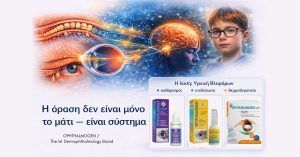
OphthalmogenEye10 – Single-Use Heat Compresses
- Sterile, safe for immunosuppressed patients.
- 40°C heat for 20 minutes.
- Unclogs meibomian glands.
- Reduces swelling & dry eye.
Ophthalmogen Gel – Massage & Anti-Demodex
- Safe massage after Eye10.
- Hydrates, reduces inflammation.
- Provides safe lubrication and therapeutic benefit instead of harmful rubbing.
Ophthalmogen Spray – Daily Antimicrobial Protection
- Disinfects, hydrates, reduces infections.
- Can be used multiple times/day.
- Improves eyelash quality.
Supportive Care
Artificial Tears
- Visionlux Plus DUO, Thealoz Duo, Hylo-Comod, Systane, Tears Naturalle, Refresh.
- Navitae Plus (hyaluronic acid + vitamins A & E).
Eye Supplements & Omega-3
- Allvita Eyes, MacuShield, MacuSave.
- Solgar, Minami, Lamberts Omega-3.
Immune Support
- Vitamin C + Zinc.
- Vitamin D3.
- Seleniun
- Vitamin E.
- Immunix OTOSAN.
- Curcumin (φυσική αντιφλεγμονώδης υποστήριξη).
Suggested Ophthalmogen Protocol for Lupus Patients
- Morning: Naviblef + Ophthalmogen Spray + artificial tears (Thealoz Duo or Visionlux Plus DUO).
- Afternoon: Eye10 (20’) → Ophthalmogen Gel with gentle massage.
- All day: Ophthalmogen Spray + artificial tears as needed.
- Supplements: Omega-3 + immune vitamins (Immunix OTOSAN, C, D3, Zinc, Selenium, Curcumin).

Conclusion
Chalazion in lupus patients is more frequent, more inflammatory, and more resistant due to chronic disease and immunosuppression.
Η Dermophthalmology highlights the interconnection between the skin, eyelids, and ocular surface, providing a comprehensive therapeutic and preventive strategy.
The combination of Ophthalmogen (Eye10, Gel, Spray, Naviblef) with artificial tears (Visionlux Plus DUO), Omega-3 supplements, and immune support (Immunix OTOSAN, Vitamin C, D3, Zinc, Selenium, Curcumin) provides the most effective solution.
For lupus patients, daily eyelid care and systemic support are not luxuries – they are key to preserving vision and quality of life..
For screen users, eyelid care is not a luxury – it is a necessity for eye health and productivity.
A contemporary medical term: Dermophthalmology. It brings together the knowledge and expertise of two specialties. Learn more at www.dermophthalmology.com.